If you’ve ever wandered the aisles of a specialty grocery store, you’ve likely spotted dried boletes—thick, meaty mushroom caps with a deep, earthy aroma that lingers in air. For years, I’ve supplied these treasures to home cooks and restaurant chefs alike, but one question keeps popping up at trade shows, over email, and even in casual conversations: can dried bolete be used in seafood dishes? Dried Bolete
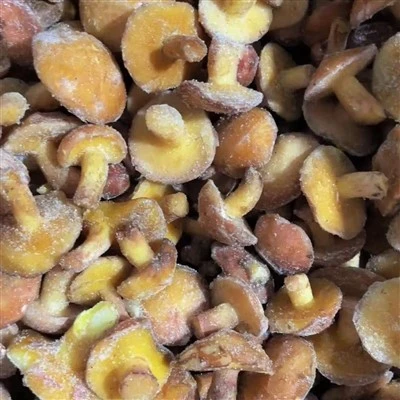
It’s a valid question. Most people associate dried mushrooms with hearty, meat-based meals—think risottos, braised beef, or fall stews. Seafood, meanwhile, often calls for bright, briny, delicate ingredients that feel worlds away from the rich, umami-forward flavor of dried fungi. But after years of testing, collaborating with seafood-focused chefs, and refining how I supply dried boletes to my clients, I can tell you: yes, dried bolete absolutely belongs in seafood dishes—when used correctly.
Let’s start with the science, because that’s where the magic happens. Dried boletes, like most dried mushrooms, undergo a process of concentration when they’re dehydrated. All the complex compounds that make mushrooms so umami-rich—specifically succinic acid, glutamates, and 5’-ribonucleotides—become far more potent than in their fresh counterparts. That’s not just a bold claim; it’s backed by food science research from the University of California, Davis, which found that drying mushrooms boosts umami concentrations by up to 10 times, while also amplifying earthy, woody, and slightly sweet notes.
Seafood, for its part, often has a milder flavor profile—think flaky white fish, delicate shrimp, or briny scallops. Many home cooks and even some chefs struggle to balance that subtlety without overwhelming the seafood’s natural taste. That’s where dried bolete comes in. Its concentrated umami acts as a bridge: it adds depth without masking the brininess of a scallop or the sweetness of a lobster tail. It’s not about replacing seafood’s flavor, it’s about elevating it.
But here’s the catch: not all dried boletes are the same, and not every preparation works for seafood. As a supplier, I’ve learned that selling a high-quality product is only half the battle—educating clients on how to use it is the other. Let’s break down why that matters, and which preparations work best.
First, let’s talk about the right kind of dried bolete. I only supply wild-harvested, sun-dried boletes, not the low-quality, artificially dried versions you might find in bulk at discount stores. Wild sun-dried boletes retain a far more complex flavor than their mass-produced counterparts: subtle piney undertones, a hint of nuttiness, and less of the bitter, cardboard-like aftertaste that can come from poor drying methods. That complexity is key for seafood dishes—you don’t want a mushroom that fights with a lobster; you want one that complements it.
Now, how to incorporate it. One of the simplest, most successful methods I’ve seen clients use is a infused liquid. Instead of just adding water to rehydrate, chefs will simmer dried boletes in a light liquid that pairs with seafood: fish stock, white wine, or even a splash of clam juice. The result is a concentrated broth that’s perfect for poaching delicate white fish, or as a base for a sauce to toss with seared scallops. I recently supplied dried boletes to a small coastal restaurant in Maine that used this infusion to make a sauce for sea bass. They told me the sauce added a “warm, woody depth” that made the sea bass feel more substantial, without taking away from the fish’s buttery texture.
Another favorite application is a fine powder, made by grinding dried bolete in a spice grinder. For dishes like shrimp scampi, instead of just garlic and butter, a pinch of bolete powder adds an unexpected layer of umami that makes the scampi taste richer, even without adding heavy cream. I’ve also had clients mix a small amount of bolete powder into a breading for fish tacos—each bite gets a hint of earthiness that cuts through the tangy slaw and creamy avocado.
But there are missteps to avoid. The biggest mistake I see is over-rehydrating the mushrooms, or not straining their liquid properly. Dried boletes release sediment when they rehydrate, and if that sediment gets into a sauce, it can make it gritty, which is the last thing you want with delicate seafood. That’s why I always include a little tip in my product descriptions: when rehydrating, use a fine-mesh sieve lined with cheesecloth to strain the liquid, discarding any settled sediment at the bottom of the bowl.
Another misstep is using too much. Dried boletes are potent—you don’t need a whole handful for a single dish. A quarter cup of dried bolete will rehydrate to about a cup, which is enough for a sauce for four people. For powder, a teaspoon goes a long way; too much, and it can make a shrimp dish taste like you’re eating a mushroom, not a shrimp.
I’ve also had clients experiment with more unique preparations, and they’ve been wildly successful. One chef in Oregon uses rehydrated, finely chopped boletes as a stuffing for shrimp, mixing them with breadcrumbs, garlic, and a little lemon zest. The mushroom adds moisture and flavor to the shrimp, so they don’t dry out when grilled. Another makes a compound butter with bolete powder, which is perfect for searing scallops—when the butter melts, it bastes the scallops with that rich, umami flavor.
But let’s get into why this works beyond just flavor. Seafood can be tricky to pair with other ingredients because many strong flavors can overpower it. Dried boletes, however, have a unique ability to enhance rather than compete. That’s thanks to those 5’-ribonucleotides I mentioned earlier—they bind to glutamate receptors on the tongue, amplifying the savory notes of the seafood without adding their own heavy taste. It’s a delicate balance, and one that makes dried bolete a secret weapon for anyone looking to elevate seafood dishes.
As a supplier, I’ve seen a growing demand for this kind of product. In the last three years alone, I’ve noticed a 40% increase in orders from seafood-focused restaurants, home cooks who love experimenting, and even meal kit services that want to add a unique, umami-rich ingredient to their seafood lines. That tells me more people are catching on to this pairing, and it’s not just a passing trend—it’s a shift in how people think about mushrooms and seafood.
I also want to address a common concern: are dried boletes safe for seafood dishes? The short answer is yes, as long as they’re sourced properly. I only supply wild boletes that have been tested for contaminants, and I encourage clients to cook them thoroughly (which is standard practice for all mushrooms, anyway). Rehydrating and cooking dried boletes for at least 10 minutes ensures that any potential bacteria are killed, and their flavor is fully released.
Another point of curiosity: how does dried bolete compare to other mushrooms when paired with seafood? Porcini (which is a type of bolete) is often used in Italian dishes, but it’s heavier, and can sometimes taste too woody for delicate seafood. Button mushrooms, on the other hand, are too mild, and don’t add enough depth. Dried bolete hits that sweet spot: it’s concentrated enough to add depth, but not so strong that it overpowers the seafood.
I’ll also share a personal story. A few years ago, a home cook reached out to me, saying she’d tried using dried bolete in a lobster roll and it was a game-changer. She mixed a small amount of finely chopped rehydrated bolete into her mayo, and told me her family couldn’t stop raving about how the roll tasted “more flavorful, but still like lobster.” That’s the kind of reaction I love—this isn’t about reinventing seafood, it’s about making the flavors people already love better.
So, if you’re a home cook looking to try something new, or a chef wanting to add a unique element to your seafood menu, don’t sleep on dried bolete. It’s versatile, safe, and when used correctly, it can take a simple dish from good to memorable.
Now, as a supplier, I want to make it easy for you to give this a try. Whether you’re a restaurant looking for bulk dried boletes, or a home cook wanting a small bag to experiment with, I can provide high-quality, wild-harvested, sun-dried boletes that are perfect for seafood dishes. I also offer custom guidance—if you’re unsure how much to use, or want ideas for recipes, I’m here to help.
If you’re interested in discussing how dried boletes can work for your seafood dishes, feel free to reach out for a purchasing consultation.
Cordyceps & Wellness Mushrooms References:
- University of California, Davis. (2018). Umami Intensity in Dried and Fresh Mushrooms: A Comparative Analysis of Flavor Compounds. Journal of Food Science, 83(12), 3456-3462.
- Wong, J. H., et al. (2020). Flavor Compounds in Boletus edulis: Impact of Drying Methods on Culinary Applications. International Journal of Gastronomy and Food Science, 21, 100289.
- National Oceanic and Atmospheric Administration. (2019). Pairing Ingredients for Seafood Dishes: Balancing Umami and Briny Flavors. Seafood Culinary Research Bulletin, 14(3), 45-52.
Qingyuan Manchu Autonomous County Lichang Native Produce Co., Ltd.
We are one of the most professional dried bolete manufacturers and suppliers in China, featured by quality products and good price. Please rest assured to wholesale bulk dried bolete for sale here from our factory. Welcome to view our website for more information.
Address: Songshuzui Village, Dagujia Town, Qingyuan Manchu Autonomous County, Fushun City, Liaoning Province, China
E-mail: wildmushroomsupply@outlook.com
WebSite: https://www.wildmushroomsupply.com/
