Hey there,
If you’ve ever stared at a beat-up old air compressor or a shelf full of dented used air tools at a yard sale or online marketplace, you know that split second of “Wait—should I grab this?” As someone who’s been in the air tools game for over a decade—running a small supply shop that works with everyone from home mechanics to busy auto body shops—I’ve seen too many folks drop cash on duds that died mid-job, or tools that were so worn they couldn’t hit half their rated power. Buying used air tools doesn’t have to be a gamble, though. Today I’m breaking down exactly what I (and my team) tell every customer who hits us up for used picks, no fluff, just real stuff we’ve learned the hard way. Air Tools

First off, stop fixating on cheap price tags. I can’t tell you how many times someone’s texted me a pic of a $15 half-inch drive impact wrench they found on Facebook Marketplace like it’s a steal. 9 times out of 10, that thing’s been run with way too thin airline, or dropped off a lift a dozen times, and it’ll throw a socket or seize up before you finish a single tire change. Used air tools aren’t just “secondhand hand tools”—they’re pneumatic, which means they rely on pressure, seals, and moving parts that take way more abuse than a regular screwdriver. So if a used tool is priced 50% (or more) below what a refurbished one would cost, something’s off. Don’t get me wrong—used can save you cash, but only if it’s the right used stuff.
Let’s start with the big one: the air inlet and air line. This is non-negotiable, people. Pneumatic tools breathe through that little (or not-so-little) inlet on the back, right? If it’s rusted, dented, or has crud caked around the threads, that’s a red flag. Why? Because air needs to flow freely into the tool to build the torque or RPM it’s rated for. If there’s a blockage, you’re looking at 20% less power, maybe more. Also, pull back the air line if it’s attached. Is it stiff? Cracked? Has oil seeping out? A busted air line isn’t just a hassle—it can be a safety hazard. Hot compressed air spraying out of a crack isn’t fun for anyone. And for the love of all things pneumatic, skip tools that have had random fittings crammed into the air inlet—nothing messes with air flow like a mismatched connector.
Next up: seals and internal condition. Now, most regular folks can’t take apart an impact wrench or a die grinder to check the vanes or the hammer case, so here’s what we tell them to look for without taking anything apart. First, ask to test it. Yeah, used sellers (especially private ones) might be weird about this, but any reputable shop will let you test before you buy. Hook it up to a working air compressor—one that’s giving consistent pressure, not spiking up and down—and fire it up. Is there excessive oil spraying out of the exhaust? A little is normal, but a steady stream? That means the internal seals are shot, and you’ll be dropping $50+ on seal kits before you use it again. Also, listen to the run. Is it rattling super loud, or sounding like it’s struggling? A healthy air tool has a consistent, smooth whine, not a clanky grind. If it sounds like it’s fighting to spin, the vanes inside are worn out, and that’s a replacement job you don’t need.
Then there’s wear on the working end. For wrenches, that’s the square drive. Grab a socket you know fits, and slide it on. Does it wiggle around more than a loose tooth? That’s a sign the drive has been chewed up from slamming sockets on too hard, or from using impact sockets with regular tools. For drills and die grinders, check the chuck. Does it close all the way? If you put a drill bit in and there’s play, the chuck’s worn, and you’ll end up with bits flying all over the place (ask me how I know that—shoutout to a broken tooth I got at a customer’s shop last year). For nail guns or staplers, grab a few nails and test a shot. Does it fire all the way, or only half-stick? That means the driver pin is worn, and you’ll be pulling dents out of trim instead of installing it.
Wait, and let’s not forget about brand reputation vs. random no-name stuff. I see so many people grab that $20 no-name impact wrench from a random seller just because it’s cheap. Here’s the thing: no-name tools (even the new ones) are garbage, but used no-name? They were garbage before they hit the shelf, and now they’re twice as worn. Sticking to brands that actually make pneumatic tools—Ingersoll Rand, Snap-on, Mac Tools, even things like DeWalt’s pneumatic line (don’t sleep on those)—means parts are easy to find if something does break, and the build quality was there from the start. A used Snap-on impact that’s 10 years old might still be going strong, because they build them to last. A no-name one from the same decade? It’s probably just a hunk of metal held together with hope.
Oh, and history matters, even if you can’t check it. If you’re buying from a private seller, ask them what they used the tool for. Did they use it for professional auto repair, or did they use it once a year in their garage for a backyard project? Did they ever run it with an inline water filter? (If not, water in the air line is the #1 killer of pneumatic tools—rusts everything from the inside out.) If they can’t give you a straight answer, that’s a risk. For example, I had a guy come in last month with a used angle grinder he bought off Craigslist—turns out the previous owner used it to cut rebar every day for a year. The internal vanes were so worn it could barely cut a 2×4. He lost his $80, and spent another $60 on a new one. Save yourself that.
Safety stuff, too—don’t sleep on that. Check for broken safety triggers on nail guns, or missing guards on grinders. Those aren’t just “cosmetic”—they’re there to keep you from losing a finger. If a tool’s missing a guard, it’s either been lost and they never replaced it, or it broke because someone was abusing the tool. Neither is good. Also, look for any cracks in the housing. A small crack in the plastic of a drill is fine, but a crack in the metal body of an impact wrench? That’s a huge safety risk—could blow apart mid-job.
Wait, let’s circle back to my shop for a sec, because I’ve got a front-row seat to all the good and bad used tools out there. We go through every used tool we get in, hook it up to our test compressor, pull it apart to check seals and vanes, and replace any worn parts before we sell it. That’s why our used air tools are priced a little higher than the random guy on Facebook, but they’re guaranteed to work. And that’s the thing about buying used air tools—you’re not just buying a piece of metal. You’re buying the sum of its abuse, the quality of its build, and whether someone took care of it.
Now, let’s get to the stuff you should skip entirely. If a tool is missing any parts—like the handle, or the trigger, or the air regulator—run. Those aren’t hard to replace, but if they’re missing, it’s a sign the tool was taken apart and no one put it back right. If it’s been modified with random parts (like a random air gauge glued to the side), that’s another red flag—mods rarely work as intended, and could mess with pressure. And if the seller says “it works when it wants to,” that’s code for “it breaks all the time.” No thanks.
Another thing I tell people: don’t sleep on the air regulator. Most used air tools have a built-in regulator that keeps the pressure steady, so you don’t overwork the tool. Test that regulator. Can you adjust the pressure? Does it hold a setting? If it sticks when you turn it, that’s a sign it’s gunked up, and you’ll need to clean it or replace it. A bad regulator not only shortens the tool’s life—it’s also why you might think a used tool is weak, when it’s just the regulator being garbage, not the whole tool.
Wait, let’s make this relatable. Last winter, a regular customer of mine—he’s a small auto mechanic with a two-bay shop—came in with a $100 used impact wrench he got off a local mechanic who was closing up shop. He tested it for 10 minutes, bought it, and used it every day for three months. Then it seized up. He brought it back, and we took it apart—turns out the previous owner had never used an inline water filter, so all the moisture in the air line rusted the internal vanes. He’d skipped checking the air line and the inlet, and now he was out $100 plus repair costs. If he’d asked to test the inlet for crud, or checked the air line for moisture, he would’ve seen that coming.
So to recap, here’s my quick checklist for used air tools, no fancy jargon:
- Check the air inlet: No dents, no crud, matching thread for your line.
- Test it: Hook it up to a working compressor, listen for smooth operation, no loud rattling, no excessive exhaust oil.
- Check the working end: No wiggle on drives, chuck closes fully, nails fire all the way for nail guns.
- Stick to reputable brands, skip random no-names.
- Ask about its history: What was it used for? Did they use a water filter?
- Skip tools with missing parts, cracks, or that “works when it wants to” vibe.
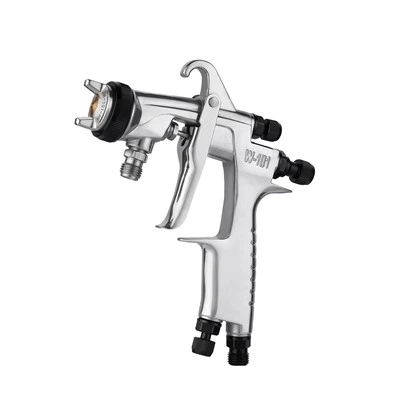
At the end of the day, buying used air tools is about balancing savings with common sense. It’s not a good deal if you’re spending half the tool’s price on repairs before you even use it. If you’re in the market for used air tools, whether you’re a weekend warrior or a busy shop, hit us up. We’ve got a ton of tested, inspected used tools, and we’ll walk you through exactly what to pick based on what you need. No hidden fees, no guesswork, just straight up good tools at fair prices. Don’t waste money on duds—let us help you find the right used air tools for your job.
Cement Gun References:
- Occupational Safety and Health Administration (OSHA). (2022). Safety Guidelines for Pneumatic Tool Operation and Maintenance. U.S. Department of Labor.
- Air Power-Tool Institute (APTI). (2021). Standard Specifications for Used Pneumatic Power Tools. International Association of Plumbing and Mechanical Officials.
- Automotive Service Association (ASA). (2020). Best Practices for Sourcing and Servicing Used Automotive Air Tools. Automotive Service Association.
- National Institute for Occupational Safety and Health (NIOSH). (2019). Hazards and Controls for Pneumatic Hand Tools. Centers for Disease Control and Prevention.
- Journal of Pneumatic Systems Engineering. (2021). Durability Metrics for Secondhand Industrial Pneumatic Tools. Elsevier.
- Consumer Product Safety Commission (CPSC). (2020). Recall and Safety Updates for Defective Pneumatic Hand Tools. U.S. Consumer Product Safety Commission.
Taizhou Meco Tools Co., Ltd.
Taizhou Meco Tools Co., Ltd. is one of the leading air tools manufacturers and suppliers in China. We warmly welcome you to buy or wholesale bulk air tools for sale here from our factory. All customized products are with high quality and competitive price. For quotation, contact us now.
Address: TongJi Road,Jiangbei District,Ningbo City,Zhejiang Province,China.
E-mail: sales@mecotools.com
WebSite: https://www.mecotools.com/
