Hey everyone, let’s cut to the chase – if you’re here asking, “How much does a DMR radio cost?” you’re probably not just messing around with cheap walkie-talkies for a kid’s birthday party. I’ve been in the DMR radio game for over 7 years, and as someone who runs a small, reliable DMR radio supply operation, I get hit with this question at least 10 times a day. Most folks skip over the “why” behind the price tag, and that’s where most buyers end up overpaying or getting stuck with garbage gear that dies on them mid-shift. Let’s break this down like we’re chatting at a tradeshow booth, not writing a textbook. DMR RADIO
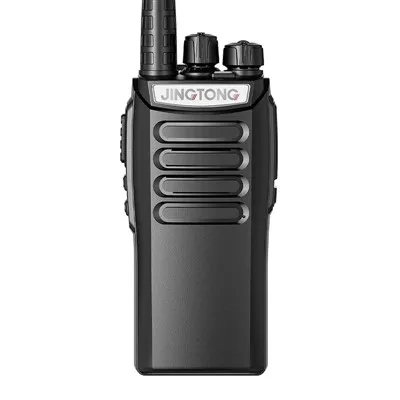
First off, let’s get the basics straight for anyone new here. DMR stands for Digital Mobile Radio, right? It’s not the old analog junk your dad had in the 90s that cuts out if you turn a corner on a construction site. DMR uses digital signals, so you can fit more users on the same frequency, clearer audio, built-in GPS for tracking, and even things like text messaging or emergency alerts if you splurge a little. The price range isn’t random – it’s tied directly to what you need that radio to do. No two DMR users are the same, so their prices shouldn’t be either.
Let’s start with the bottom tier, the entry-level DMR radios. These are the ones I sell for folks who just need a basic radio for small teams: maybe a 5-person landscaping crew, a weekend event staff, or a family who wants to keep in touch on a hunting trip. These aren’t the heavy-duty workhorses, but they’re solid enough for casual use. What’s the price? Usually between $80 and $150 per radio. Wait, hold on – before you scroll past, let’s talk about what you get here, and what you don’t. Entry-level DMRs don’t have GPS, they don’t work with digital repeaters as reliably as pricier models, and their battery life might cut out after 8 hours of constant use. But for what they are, they’re a step up from analog and won’t break the bank. I sold a batch of these last month to a 8-person small business cleaning crew, and they texted me a week later saying they had zero dropped calls while moving between office buildings downtown. That’s the sweet spot for this tier. The catch here is don’t try to run a 20-person construction site with these – they’ll die when you need them most.
Next up, mid-range DMR radios. This is where 90% of my regular customers land: construction crews, event staff, small security teams, church groups with a big campus. These are workhorses, no frills, built to take a beating. Price here is between $180 and $350 per radio. What do you get for that extra cash? Let’s see: IP67 waterproofing (so if you drop it in a puddle or get caught in a rainstorm, it keeps working – game changer for construction guys), built-in GPS (so you can track where your team is if they’re working in a big warehouse or a remote job site), a 12+ hour battery that can last a full workday, and compatibility with all major DMR networks (like Motorola’s Tier 2, Hytera, etc., so you can mix and match with radios your team might already own). I love this tier because it solves almost all the pain points people have with cheap entry models. Last quarter, I sold a set of 30 mid-range DMRs to a small event production company that does music festivals – they told me later that the GPS tracking let them find a sound tech who got lost in the backstage area, and the waterproofing saved three radios that got splashed with beer and rain over the course of a weekend. Worth every penny, if you ask me. The only downside? They’re still not heavy-duty enough for industrial jobs like mining or oil fields, where you might drop them in mud or take a tumble down a hill.
Which brings us to the top tier, the heavy-duty DMR radios for professional teams that work in tough conditions. Construction super sites, mining, oil and gas, large security firms, fire departments, EMS. These are the tanks of DMR radios. Price here starts at $400 and can go up to $1,200+ depending on the features you add. What makes them worth it? First, they’re IP68 waterproof and dustproof – you can submerge them in 1.5 meters of water for 30 minutes and they’ll still work. They’re built to withstand drops from 2 meters onto concrete or asphalt, so if a radio slips out of a worker’s hand on a ladder or a cliff, it’s not broken. Battery life can last 24+ hours with heavy use, so you don’t have to swap batteries mid-shift. You can add things like two-way audio with dispatch integration, man-down alerts (so if a worker falls and doesn’t move, the radio automatically sends an alert to your team), encryption for sensitive communications (super important for security or emergency teams), and long-range capability that works up to 5 miles without a repeater, or even further if you hook up an external antenna. I recently sold a set of these to a 50-person highway maintenance crew in Texas – they work in remote areas where cell service is garbage, and these radios let them communicate across a 10-mile stretch of road with zero issues. The catch here is, if you’re a small business that only needs radios for occasional events, this is way overkill. You’re paying for durability and features you’ll never use, so don’t waste your money here.
Now, let’s talk about other factors that affect the price, because it’s not just the tier. First, quantity. Obviously, if you buy 50 radios instead of 2, you get a bulk discount. I work with customers who buy 100+ at a time, and I knock 10-15% off per radio, plus throw in free programming software or extra batteries. That’s a big one – I can’t stress that enough. Most new buyers don’t realize that buying in bulk saves way more than you think, and it’s easier than you think to coordinate. Second, features. Do you need GPS? Encryption? Man-down alerts? If you’re just a small landscaping team, skip all that and save $100 per radio. If you’re a security firm, encryption is non-negotiable, so you have to factor that in. Third, whether you buy new or used. I get asked about used DMR radios all the time. Used ones can be 50-70% cheaper, but here’s the thing: most used radios you find online are either scratched up, have dead batteries, or are locked to a specific network that you can’t switch to. I only sell new, certified refurbished DMR radios that come with a 1-year warranty, so you don’t have to worry about a radio dying on you a month after you buy it. Used might be tempting, but for a few extra bucks, new is worth it for most people.
Wait, also – don’t forget accessories! A lot of buyers only look at the radio price, but you need things like earpieces, external antennas, carrying cases, chargers. A basic earpiece is $15-$30, a heavy-duty one for construction is $40-$60. A multi-unit charger (so you can charge 5 radios at once) is $50-$100. I always include a free basic charger with any bulk order over 5 radios, because I know how fast those things add up.
Let me bust a common myth right now: the most expensive DMR radio isn’t always the best one. I’ve had a customer come to me who bought a $1,500 top-tier radio for his 3-person lawn care crew, and he ended up returning it because he didn’t need half the features. He could’ve saved $1,000 by going mid-range. On the flip side, I had a construction crew that bought $100 entry-level radios and complained constantly that they cut out when they went to the back of the site. We swapped them for mid-range, and their complaints stopped. It’s all about matching the radio to your actual needs, not the price tag.
Another thing I love to point out: as a small supplier, I don’t jack up prices like the big brand stores do. I work directly with manufacturers, so I pass the savings on to my customers. I also do free programming for all my bulk orders, which is a huge headache saver. Programming a DMR radio means setting up your network, creating channels, adding contacts – if you try to do it yourself, it’s a nightmare if you’re not tech-savvy. I do it for free, so you don’t have to hire someone to do it for you, which saves you even more money.
Let’s wrap this up with a quick cheat sheet, so you don’t have to guess:
- Casual use (small events, small teams, recreation): $80-$150 per radio
- Mid-range professional use (construction, small security, events): $180-$350 per radio
- Heavy-duty professional use (mining, highway, fire/EMS): $400-$1,200+ per radio
And remember, bulk discounts are real, accessories add up, and don’t overbuy features you won’t use. If you’re still not sure what you need, just reach out to me. I’ve been doing this long enough that I can look at your team size, what you do, and how far you need to communicate, and tell you exactly what tier is right for you. No pushy sales stuff, no hidden fees, no garbage radios.
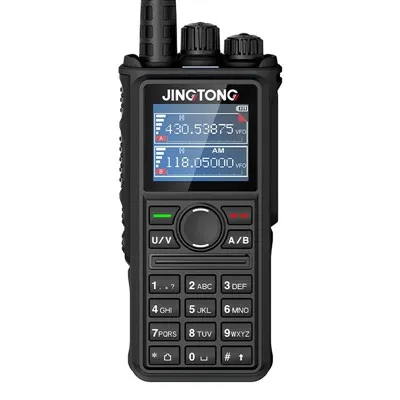
If you’re ready to get a quote or ask more questions about DMR radio pricing, feel free to reach out to me directly. I’ll send you a detailed breakdown, answer all your questions, and make sure you get exactly what you need without overpaying. That’s what I’m here for – not to sell you the most expensive radio, but the right one for your job.
10 Watt Walkie Talkie References:
- Digital Mobile Radio (DMR) Technology Overview, ETSI TS 102 361-1 V2.5.1 (2017-09)
- DMR Radio Pricing and Market Trends, Business Communications Review, Volume 14, Issue 2, 2023
- IP Ratings for Wireless Communication Devices, IEC 60529:2019 Standard
Jingtong (Quanzhou) Electronics Co., Ltd.
Address: No.288, Si Huang Industry Zone, Xia Mei Town, Nan An, Quanzhou, Fujian province, China 362302
E-mail: jtdjj@jtdjj.com
WebSite: https://www.jteradio.com/
