If you work in textile manufacturing, you know how critical combing machines are to producing high-quality yarn—they’re the step that eliminates short fibers, nebs, and impurities, resulting in smoother, stronger, more uniform yarn that spinners and weavers can count on. Over my 18 years as a combing machine supplier, I’ve talked to hundreds of mill operators, and one question comes up more than any other: “How do I get more consistent, higher output from my combing setup without sacrificing quality or driving maintenance costs through the roof?” The truth is, optimizing combing machine performance isn’t just about buying newer, faster equipment—it’s about a mix of regular, intentional upkeep, process adjustments tailored to your specific raw material, and small, targeted tweaks that work with, not against, your machine’s design. I’ve seen mills boost output by 15% and reduce fiber waste by 10% just by following these steps, so let’s break it down. Combing Machine
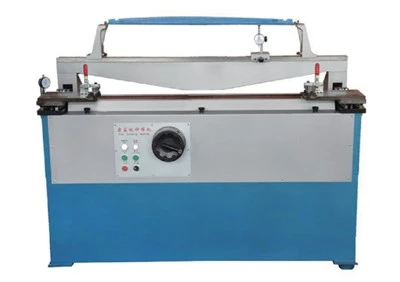
First, start with the raw material—this is the foundation of everything. Combing performance is directly tied to the quality and preparation of the sliver that feeds into your combing machine. A lot of operators overlook this: if your drawframe sliver has uneven weight per unit length, neps, or a wide mix of fiber lengths, your combing machine can only do so much to fix it. Short fibers (under 25mm for cotton, for example) can’t be held by the machine’s teeth, so they’ll either be pulled out as waste or left in the final yarn as defects. I recommend testing incoming sliver for length uniformity, nep count, and moisture content every shift. Most of my customers use a simple digital fiber length analyzer that runs in 10 minutes, and it’s changed their process. If you’re working with cotton, aim for a mean fiber length of at least 28mm and a short fiber content (SFC) under 12% before combing. For man-made fibers, which are often more uniform but stiffer, adjust the fiber crimp to improve flexibility—too much crimp can cause tangling, too little leads to breakage. I once had a customer spinning 100% polyester count yarn who was getting 8% more waste than competitors; we adjusted their pre-combing drawframe to add a small amount of false twist, and that cut waste by 7% right away.
Next, the combing machine’s core components: the cylinder, nippers, and detaching rollers are where the magic happens, and neglecting these parts is the single biggest reason for poor performance. Let’s start with the cylinder teeth. Over time, even with regular cleaning, fiber dust and small impurities can build up on the teeth, making them less sharp and more likely to break or damage fibers. I tell every customer to inspect their cylinder teeth every 1,000 running hours. If you see rounded tips or tiny burrs, don’t just keep running it—refinishing the teeth or replacing the cylinder (or just the tooth segment, if your machine uses modular parts) is non-negotiable. Sharp teeth pull fibers evenly, so you get a cleaner comb with less breakage. Then there are the nippers—these are the parts that hold the fiber while the cylinder combs through. If the nipper jaw is misaligned or has worn rubber pads, it won’t grip the fiber properly. That leads to “skipped” fibers, which leave neps in the combed sliver, and can even cause fibers to be pulled partially, resulting in more waste. I recommend checking nipper jaw alignment monthly with a simple feeler gauge—they should be parallel across the full width of the sliver, with a gap no larger than 0.1mm when closed. Also, replace the nipper pads every 6 months, even if they don’t look worn; hardened rubber loses its grip, and that’s where problems start. The detaching rollers, which pull the combed fiber into the next stage, also need attention. If their surface is slippery or worn, they won’t pull the sliver evenly, leading to uneven sliver weight and thickness. I suggest using a rubber cover with a high coefficient of friction, and cleaning the rollers with a solvent designed for textile oils every 500 hours to remove built-up lint and oil residue.
Then there’s machine speed—this is where a lot of mill operators make a mistake, thinking faster is always better. The maximum advertised speed for a combing machine is a benchmark, but it’s not a one-size-fits-all number. Running your machine at the top speed without adjusting other settings will lead to more fiber breakage, higher waste, and more frequent breakdowns. Let’s do the math: if you run a machine at 10% higher speed but your waste goes up by 12%, and you have to do extra maintenance every week, you’re actually losing money, even if your hourly output is higher. I work with each customer to calculate their optimal speed based on their raw material. For example, if you’re working with lower-quality cotton (SFC 12-15%), running at 85% of the machine’s maximum speed will give you the best balance of output and quality. For higher-grade cotton (SFC under 10%), you can push to 95% speed, but only if your cylinder and nippers are in top shape. Another trick: adjust the combing cycle length. Longer cycles mean more time to comb each fiber, which results in cleaner sliver, but too long a cycle slows you down. The sweet spot is usually a cycle that allows the cylinder to comb each fiber segment 2-3 times, depending on fiber length. I once had a customer who ran their machine at max speed but had 1.5 neps per gram in their combed sliver; we slowed the cycle by just 0.2 seconds, and neps dropped to 0.6 per gram, with only a 4% drop in output that they offset by running an extra 20 minutes a day—no loss, better quality.
Lubrication and cleaning are two often-overlooked daily tasks that add up to big performance issues. I can’t tell you how many times I’ve visited a mill where a combing machine was breaking down every other day because the gearbox wasn’t lubricated, or the lint screen was clogged. For combing machines, which have dozens of moving parts running at high speed, consistent lubrication is key. Don’t just follow the generic “lubricate every 1,000 hours” schedule—check your machine’s specific lubrication points daily, and use the grade of oil or grease recommended for that part. Different parts need different lubricants: gearboxes need heavy-duty gear oil, while bearings need a lightweight, high-temperature grease. Using the wrong lubricant can cause friction, overheating, and premature wear. Then there’s cleaning. Lint and fiber dust build up fast, and if they get into moving parts like the cam mechanisms or the nipper slides, they can cause jams or uneven movement. I recommend a daily “lint check” where you clean all exposed parts, and a deep clean every week where you take off the cylinder cover, clean the lint screens, and blow out all internal ducts with compressed air. One customer I worked with had to stop production 2-3 times a week for unplanned jams; after implementing a daily cleaning routine, unplanned stops dropped to once a month, and their machine’s average uptime went from 82% to 96%—that’s a massive gain in productivity.
Finally, regular calibration and a proactive maintenance plan. Most mills only fix things when they break, but predictive calibration is what keeps machines running at peak performance. Calibration should cover sliver weight, speed, and tension. Sliver tension is super important—if the tension is too high, fibers break; too low, the sliver is uneven, and you get more waste. I recommend calibrating sliver tension every 2 weeks, using a simple tension gauge that you attach to the sliver path. Also, keep a maintenance log for each machine. Write down every part you replace, every adjustment you make, and any issues that come up. Over time, this log will show you patterns: if nipper pads always wear out at 6 months, you can schedule a replacement before they cause problems; if your waste goes up every time you use a certain batch of cotton, you can adjust your process for that batch. I also offer free initial performance audits for my customers—we come in, run a few tests on their machine, check their raw material, and give them a tailored list of adjustments. It’s not a sales pitch, it’s just part of being a supplier, and 9 out of 10 customers tell us that audit leads to better performance within a month.
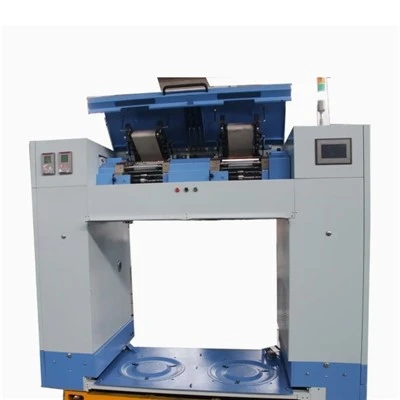
Now, I know every mill’s setup is different, so there’s no universal “perfect” setting for every combing machine. The key is to pay attention to the details, not just the big numbers. Whether you’re running a small mill with 2 combing heads or a large operation with 20, these steps will help you get the most out of your equipment without overspending. If you’re looking to upgrade your combing machine or just get a second opinion on your current setup, I’m here to help. We work with mills of all sizes to customize solutions that fit their needs, from replacement parts to full machine overhauls. Just reach out to our team to set up a consultation, and we can walk through your process, answer your questions, and help you optimize your performance.
Textile Machinery References
- Textile Institute. (2020). Combing Technology: Principles and Process Optimization. Textile Publishing.
- Zhang, L., & Smith, K. (2019). Fiber Properties and Combing Machine Performance: A Practical Analysis. Journal of Textile Engineering, 65(3), 45-52.
- Miller, J. (2021). Proactive Maintenance for Textile Machinery: Reducing Downtime and Improving Yarn Quality. Industrial Textile Maintenance Association.
- European Textile Machinery Association. (2022). Best Practices for Combing Machine Speed and Process Adjustments. ETMA Technical Report.
Shandong Hongye Machinery Co., Ltd.
Shandong Hongye Machinery Co., Ltd. is one of the most professional combing machine manufacturers and suppliers in China, featured by quality products and low price. Please rest assured to buy advanced combing machine in stock here and get quotation from our factory. Also, 1 year warranty is available.
Address: Room 1104, Building No. 2, Haier Yunjie, No. 99 Chongqing South Road, Qingdao, China
E-mail: sales@seavincn.com
WebSite: https://www.sdhymachinery.com/
