If you’ve ever stared at the inside of a diamond ring band and spotted tiny letters like “14k” right next to the diamond’s prong setting, you’re not alone. When I first started sourcing diamond rings for our small shop a decade ago, I’d skip right over that marking, assuming it was just a random code or a fancy way to note the stone size. That was until a customer brought in a family heirloom engagement ring, convinced its “14k” stamp meant the diamond was worth more than the metal holding it. I had to stop her and explain: 14k doesn’t refer to the diamond at all—it’s a key detail about the ring’s gold, one that every buyer should understand before making a purchase. As a diamond ring supplier, I’ve spent years walking clients through this nuance, and today I’m breaking down exactly what that 14k marking means, why it matters, and how it affects the rings we bring to you. Diamond Ring
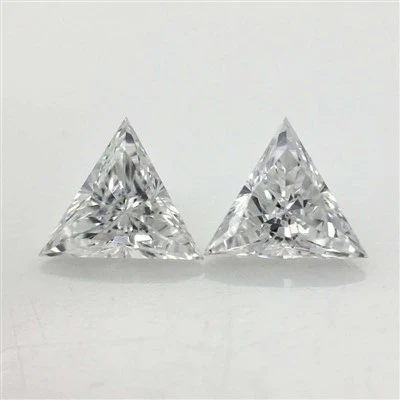
Let’s start with the basics: Gold, in its pure form, is 24 karat. Pure 24k gold is incredibly soft—so soft that it bends, scratches, and warps with even everyday wear. Think about a ring you twist on your finger: if it were pure gold, it would lose its shape after a few months of putting it through hand washes, grocery bags, and random knocks against counters. That’s why jewelers mix pure gold with other metals—like copper, silver, zinc, or palladium—to create alloys that are durable enough for daily use. The karat system measures how much pure gold is in that alloy, as a fraction of 24. So 14k means 14 parts pure gold, and 10 parts other metals. It’s that 10 parts of alloys that give the ring its strength, color, and price point.
I know, it’s easy to confuse karat with carat, which is the term for a diamond’s weight. I’ve had customers ask if a 14k ring has a 14-carat diamond, and honestly? It’s one of the most common mix-ups in the industry. Let me clear that up right now: Karat (k) = gold purity, carat (ct) = diamond size. Those two “c” words are totally separate, which is why that 14k stamp will never appear next to a diamond’s weight marking. If you see a “14k” on a diamond ring, it’s only telling you about the metal band, not the stone itself. That’s a crucial point to remember when comparing rings—you could have two identical diamond settings, but one 14k band and one 18k band will feel and perform very differently.
Now, why 14k, specifically? Why not 12k or 18k? For everyday jewelry like engagement rings, wedding bands, or pendant rings, 14k strikes the perfect balance between durability and gold content. As a supplier, I’ve seen too many customers opt for 18k gold because they think it’s “fancier,” only to bring it back a year later with a bent band. 18k is 18 parts pure gold and 6 parts alloys—so it’s softer than 14k, more prone to scratches and dents, and often more expensive. 10k is another common purity, but in the U.S., 10k is the minimum legal gold purity to be called “gold,” and it has less pure gold, meaning it’s more likely to cause skin irritation for people with sensitive skin. 14k lands right in the middle: hard enough to withstand daily wear, has enough pure gold to be hypoallergenic for most, and is priced well for most budgets.
Let’s talk about how 14k works for different ring styles, too. Engagement rings, for example, have to hold a diamond securely in prongs or a setting—if the band is too soft, the prongs can loosen, and the diamond could fall out. That’s why every engagement ring we supply is made with at least 14k gold (we mostly use 14k white, yellow, and rose gold for settings) because it doesn’t warp around the prongs easily. Wedding bands, which are worn every single day, need that durability too. I have a regular customer who works as a construction worker; he’s worn a 14k yellow gold wedding band for eight years, and it’s still in almost perfect shape—only a few minor scratches, which he says add character. If he’d gotten an 18k band, it would have stretched out and needed resizing twice already, he tells me.
Then there’s rose gold, which is an alloy that gets its pink color from copper. 14k rose gold has more copper than, say, 18k rose gold, which makes it sturdier. I made a custom ring for a bride who wanted a rose gold band with a tiny diamond—she’d seen a 18k rose gold ring online and loved the color, but when she tried it on, it bent just from her finger pressure. Switching to 14k rose gold fixed that. It still had the warm, pink tone she wanted, but it was strong enough to hold its shape. That’s the kind of detail that makes a difference when you’re choosing a ring: it’s not just about the color, it’s about how the metal will work for your life.
Another thing I tell customers about 14k is its cost. Pure 24k gold is the most expensive, but because 14k has only 58.3% pure gold (14 divided by 24 is 0.583), it’s more affordable than higher karat gold. That’s why we can offer 14k diamond rings at a price point that’s accessible for most people, without sacrificing quality. It’s also worth noting that the value of gold fluctuates with the market, but the karat percentage stays consistent—so a 14k ring from 10 years ago has the same gold content as a brand new 14k ring today. That makes 14k rings not just a good daily wear choice, but also a piece that holds its value over time, which is important when you’re investing in a diamond ring.
I should also address a common myth: some people think lower karat gold means lower quality, but that’s not true. 14k is a intentionally balanced alloy, designed for functionality. A 14k ring made with high-quality gold and proper craftsmanship is every bit as well-made as an 18k ring—you just have to know what to look for. As a supplier, I test every batch of gold we source, so you never have to worry about a ring marked 14k being anything less. We use third-party assays to confirm the purity, so you can trust that that stamp isn’t just a marketing trick. It’s a guarantee of the metal’s composition, which is something we never cut corners on.
What about skin reactions? That’s a big one—so many people have had experiences where a gold ring causes a rash, redness, or irritation. The reason is often not the gold itself, but the alloys mixed in. Pure gold is hypoallergenic, but some people are sensitive to metals like nickel, which is sometimes used in lower-karat gold alloys. 14k gold uses far less nickel than 10k gold (or sometimes none at all, depending on the type), which makes it a safer choice for sensitive skin. I’ve had multiple customers tell me they wore 10k rings for years and got rashes, then switched to a 14k ring and never had a problem. That’s a huge benefit that a lot of people don’t know about.
Now, let’s wrap this up for anyone who’s looking to buy a diamond ring. If you’re considering a 14k ring, here’s what to keep in mind: first, confirm that the stamp is clear and official—jewelers use tiny, permanent stamps on the inside of the band (or sometimes on the shank) so it’s not visible when the ring is worn, but it’s easy to spot once you look. Second, remember that 14k is about the metal, not the diamond—so don’t let a seller confuse you by saying a “14k diamond” has a 14-carat stone. Third, if durability is a priority (and for most people, it is), 14k is the sweet spot. You’ll get a ring that’s strong, affordable, and safe for most skin types.
At the end of the day, a diamond ring is more than just a stone on a band—it’s a piece you’ll wear every day, for anniversaries, birthdays, and quiet moments. That’s why choosing the right metal is just as important as choosing the diamond. As a diamond ring supplier, we specialize in pairing high-quality diamonds with well-crafted 14k bands that are built to last. Whether you’re looking for a classic engagement ring, a simple wedding band, or a custom statement piece, we can help you find something that fits your style, your budget, and your daily life.
If you’re ready to learn more about 14k diamond rings, or have questions about sizing, craftsmanship, or custom options, don’t hesitate to reach out to our team to discuss your needs. We’re here to walk you through every detail, so you feel confident in your purchase—no confusion, no hidden terms, just honest advice from people who’ve been in the diamond ring industry for years.
Diamond Necklace References
- World Gold Council. (2023). Gold Alloys: Properties and Applications.
- Jewelry Information Center. (2022). Karat vs. Carat: A Consumer’s Guide to Gold and Diamond Terminology.
- American Gem Society. (2021). Gold Purity and Durability: Choosing the Right Alloy for Everyday Jewelry.
- Skin Allergy Research Foundation. (2020). Common Metals in Gold Alloys and Skin Sensitivity Reactions.
Hongkong Jingcan Crystal Craft Limited
Hongkong Jingcan Crystal Craft Limited is one of the most experienced diamond ring manufacturers and suppliers in China. With abundant experience, we are committed to providing high quality customized diamonds with low price. Please rest assured to wholesale bulk classy diamond ring in stock here and get quotation from our factory. 3 years warranty is available.
Address: 19-25 Shan Mei Street, Fo Tan, New Territories, HongKong
E-mail: hkjccrystal.cheungkong@gmail.com
WebSite: https://www.hkjcdiamond.com/
