Hey everyone,
If you’re running a supermarket or just curious about the behind-the-scenes stuff that keeps your milk cold, your veggies crisp, and your ice cream rock-solid, you’ve probably wondered: what the heck are the actual rules for supermarket refrigeration? As someone who’s been a supermarket refrigeration supplier for over a decade—showing up to stores at 2 a.m. because a walk-in cooler crashed and ruined a whole batch of yogurt, or troubleshooting a faulty display case that’s making customers grab warm soda instead—let me tell you, it’s not just about plugging in a unit and calling it a day. There’s a whole web of regulations that keep food safe, cut down on sky-high energy bills, and even help supermarkets avoid massive fines. I’ve seen firsthand what happens when you skip the rules: a small neighborhood store got hit with a $12,000 OSHA fine a few years back because their condenser was blocked by a stack of pallets, and a chain lost millions in product when their refrigeration system didn’t meet EPA leak rules and they had to toss every frozen item in 20 locations. So let’s break this down like I do when I’m walking a new store manager through a system—no jargon, just the stuff that actually matters. Supermarket Refrigeration
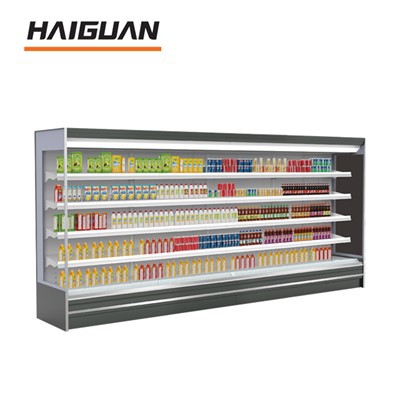
First up, the big one that’s been in the news (and our service calls) for years: EPA regulations on refrigerants. You can’t talk supermarket refrigeration rules without starting here. Back in the day, everyone used these super old, ozone-killing chemicals called CFCs and HCFCs. Then the EPA rolled out the Clean Air Act amendments, and now we’re strictly limited to what refrigerants we can use. Most new systems now use HFCs, but even those are being phased out because they’re super potent greenhouse gases—like, 1,000x worse than CO₂ for global warming. The EPA’s got Section 608 of the Clean Air Act that applies to everyone working on refrigeration systems, right? If you’re a store manager or a technician working on your own units, you can’t just top off a refrigerant leak with whatever’s lying around. You need a 608 certification, and if your system is bigger than 50 pounds of refrigerant, you have to keep track of leaks—if you lose more than 10% of the charge in a year, you have to fix the leak within 30 days. I’ve had so many store owners tell me “Oh, our old tech just adds a little Freon when it’s low” and I have to break it to them that’s not allowed anymore. Last year, a grocery chain in the Midwest got flagged by an EPA inspector because 3 of their stores had leaks over 15% and no repairs, and they got hit with $50,000 in penalties. It’s not just avoiding fines, either—using the right refrigerant and fixing leaks saves them like 20-30% on their energy bills, too. Win-win.
Next, food safety rules, because at the end of the day, that’s why refrigeration exists. The big one here is the FDA’s Food Code, which is adopted by most state and local health departments. You know that little sticker on the milk that says “keep below 40°F”? That’s not just a suggestion. The Food Code mandates that all refrigerated food in supermarkets has to be held at 40°F or colder, and frozen food at 0°F or colder, 24/7. Stores have to have working temperature monitoring systems—either digital logs or daily manual checks—and they have to keep those logs for at least 90 days. I had a run-in with that a while back: a small market called me in because their old analog thermometer was broken, and the health department showed up during a random check and fined them $2,000 for not having a way to track fridge temps. The kicker? We installed a basic digital monitoring system for a fraction of that fine, plus trained their staff to log temps properly. Also, display cases can’t have gaps, right? The Food Code says that open-air refrigerated display cases (the ones for deli meats, cheese, pre-made salads) have to have air curtains that keep the cold air in and warm air out. No leaning on the door or stacking boxes in front of the air intake—another thing I see all the stores mess up. A big chain store I work with just had to rework all their produce display areas because their air curtains were off, letting warm air in, and their salad bar items were hovering at 42°F instead of 38°F. They almost got shut down until we adjusted the units.
Then there’s OSHA rules, which are all about keeping the people working in the store safe, because supermarket staff are moving around those refrigeration units all day—restocking, cleaning, fixing stuff. OSHA’s Refrigeration Standard (1910.157) covers stuff like proper ventilation around condenser units. Those condensers get super hot, like 120-150°F, so if they’re crammed into a tiny utility closet with no vents, that’s a fire hazard. Also, if a refrigerant leak happens—especially the newer ones, like ammonia, which some stores still use for large walk-ins—those fumes can be toxic. OSHA requires that stores have gas detectors in areas with ammonia systems, and staff have to be trained on what to do if there’s a leak: shut off the area, evacuate, call a professional. I once responded to a call where a night stocker turned off a walk-in cooler’s alarm thinking it was a false alert, and the ammonia levels spiked. By the time we got there, the staff was already pulling him out with mild fume exposure. If they had a proper detector and training, that wouldn’t have happened. Also, OSHA requires that all refrigeration equipment is properly grounded, and that any exposed electrical parts are covered—no one wants a tech reaching for a switch and getting shocked because someone left a wire exposed while fixing a unit. I always make sure when we install systems, we point out all the safety bits to store managers and do a quick refresh for their staff every quarter.
Energy rules are another big one, especially now that utility companies are rolling out incentives for stores that use efficient systems. There’s the Energy Star program, which has specific guidelines for supermarket refrigeration: display cases, walk-ins, compressors all have to meet certain energy efficiency ratings to qualify. A lot of states also have their own rules—California has Title 24, which is super strict on commercial building energy use, so any new refrigeration system installed in a supermarket there has to be way more efficient than the old ones. I worked on a project in Los Angeles last year where a grocery store was replacing all their old display cases, and we had to pick models that met Title 24’s 2024 updates, which meant using variable-speed compressors instead of fixed ones. That cut their energy use by 25% right off the bat, and the utility company gave them a $15,000 rebate on top of that. A lot of store owners sleep on the energy rules, but they’re actually a huge cost saver long-term. Also, some local municipalities have laws about not running refrigeration units at full blast during peak energy hours (usually 4-9 p.m.) to ease strain on the grid. Some stores can get paid for participating in demand response programs, where they lower their refrigeration temp by a few degrees during those hours—nothing that would hurt food safety, just adjusting the cycle. It’s extra cash in their pocket, and it’s good for the community.
Wait, and let’s not forget about plumbing and waste rules? If a refrigeration system has a defrost cycle, it produces water runoff—all that melted frost from coils. A lot of stores just let that water drain onto the floor, which is a slip hazard, and also violates local waste management rules because you can’t just dump water that might have refrigerant residue into the sewer. I always install a proper drain pan and connected plumbing line when we put in a new system, and I remind stores to clean the drain line every month—clogged lines lead to water backing up into the store, which can ruin floors and even get into food storage areas. I had a produce store in Texas a couple years back that had a clogged drain line, and water leaked into their potato storage area, making them throw out $8,000 worth of spuds. That’s a avoidable headache, all because they skipped a tiny maintenance step tied to basic building codes.
Now, I know what some of you are thinking: “This all sounds like a lot of hoops to jump through.” And it is, but that’s why I do what I do. As a supermarket refrigeration supplier, my job isn’t just to sell you a unit—it’s to make sure you’re not breaking any rules, keeping your food safe, and not throwing money away on unnecessary fines. I’ve seen so many small store owners get overwhelmed by all this—they’re busy managing inventory, dealing with customers, fixing broken cash registers, so refrigeration rules fall by the wayside. That’s why I offer free 15-minute check-ins: I’ll come in, walk through your current system, point out if you’re missing any certifications, if your temps are off, if your refrigerant leaks are too high. No sales pitch, just helping you stay on top of the rules.
Let me share a quick story that sums this up. A few months back, I got a call from a tiny independent grocery store in Ohio. They were panicking because they’d gotten a letter from the state health department saying they were out of compliance with Food Code temps, and the EPA was auditing their refrigerant records. The previous owner had skipped all the certification stuff, and the leaky old system was pushing 18% refrigerant loss a year. We didn’t just install a new system for them—we helped them get their 608 certification for their staff, set up a digital temp log that’s state-approved, and scheduled monthly leak checks. Now they’re not only compliant, they saved $1,200 a month on energy, and the health inspector did a follow-up and gave them a perfect score. That’s the stuff that matters.
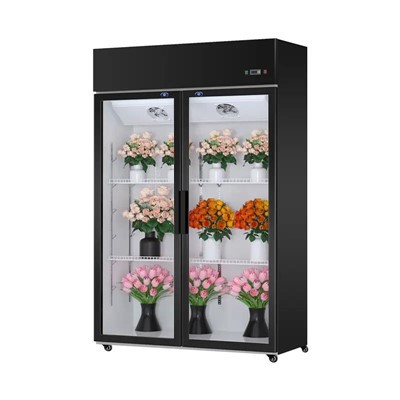
If you’re a store manager, a owner-operator, or even someone who’s just looking to upgrade their refrigeration, don’t wait until you get a fine or a health warning to sort this out. The rules aren’t there to make your life harder—they’re there to protect your customers, your staff, and your bottom line. I’m always around to walk through what you need, answer questions, no pressure to buy a big system today. Just reach out, and we can chat about your specific store, the rules that apply to you, and how to stay compliant without the stress.
Refrigerated Display Case References:
U.S. Environmental Protection Agency. (n.d.). Section 608 of the Clean Air Act.
U.S. Food and Drug Administration. (2022). FDA Food Code.
Occupational Safety and Health Administration. (n.d.). 29 CFR 1910.157: Refrigeration.
California Energy Commission. (2023). Title 24: Energy Efficiency Standards for Residential and Nonresidential Buildings.
Jinhua Kate Refrigeration Equipment Co., Ltd.
We are one of the most professional supermarket refrigeration manufacturers in China, also support customized service with low price. Please rest assured to wholesale bulk high quality supermarket refrigeration for sale here from our factory. If you have any enquiry about quotation, please feel free to email us.
Address: Room 101, No.21, Southwest Sixth Road, Xin’an Village, Xin’an Community, Duohu Subdistrict, Jindong District, Jinhua City, Zhejiang Province
E-mail: 2528940364@qq.com
WebSite: https://www.katekool.com/
