Hey everyone, it’s Sam here—from the team that’s been supplying PET lids to cafes, takeout spots, and meal prep brands for the last 8 years. Today I’m answering a question we get at LEAST a dozen times a week: what actually is a push-pull PET lid? Let’s break this down like we’re chatting over coffee (no stuffy industry jargon, promise). PET Lid
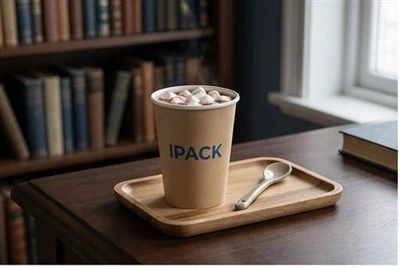
First off, let’s start with the basics. If you’ve ever grabbed an iced latte on your way to work, a cold soda from the gas station, or a pre-made salad cup from the grocery store, you’ve used a PET lid before. PET is that lightweight, clear plastic (stands for polyethylene terephthalate, in case you care about the science) that’s super durable, food-safe, and way less bulky than glass or rigid plastic. Most takeout cups, deli containers, and even some yogurt lids use it.
Now, your average run-of-the-mill PET lid—think those plain ones with a sip hole you rip open with your nail—sucks for a lot of people, right? It spills everywhere if you toss it in your bag, if you take a sip too fast, or if you’re jogging to your next meeting. That’s where push-pull PET lids come in. They’re the upgrade we all needed, and I’m gonna tell you exactly how they work, why they’re better than old lids, and why they’re basically non-negotiable for any business that deals with cold drinks or to-go food right now.
Let’s get into the mechanics, but keep it simple. A push-pull PET lid has two key parts, both made from that same food-safe PET plastic so they’re compatible with almost all our standard PET containers: the main lid body that snaps onto your cup/container, and a little plastic tab (we call it a “closure tab” internally, but just think of it as a tiny, rigid flip-top piece) that covers the opening. Here’s the push-pull part: you pull the tab straight up and back to expose the sip hole for drinking, and when you’re done? You push it back down until it clicks. That click is important—it means it’s sealed tight. No more spilled oat milk lattes all over your laptop, no more half-empty soda cans in your gym bag.
Wait, but how is that different from a flip-top lid? I get that confusion. A lot of people mix them up, but flip-tops usually hinge on one side—think old water bottles. Push-pull is a separate tab that doesn’t hinge, you just pull it up straight, like a tiny door that doesn’t swing. That design is actually a game-changer for manufacturing too, which is why it’s become so popular. It’s way easier to stamp out on our production lines, so we can supply them faster and at a price that doesn’t make our customers’ profit margins take a hit.
Let’s talk about why push-pull is perfect for your business, too. If you run a coffee shop, for example, you want something that cuts down on waste (both for your customers and for you) and keeps drinks fresh. First, the seal. When you push that tab down, it creates an airtight barrier—so your iced tea doesn’t get watery from sitting on the counter, your cold brew stays fresh during transit, and customers don’t leave your shop with a sticky mess in their car. We’ve tested this so many times: a regular sip-hole lid will leak if you tilt it 45 degrees, but our push-pull lids? Tilt ’em upside down, shake ’em a little (we don’t recommend doing that on purpose, but if your barista drops a cup? It’s fine). No spills. That’s a huge win for customer satisfaction.
Then there’s user experience. Customers hate flimsy lids, right? If you’ve ever tried to pull a tab that’s so thin it bends, or it doesn’t snap shut, you just toss that cup. Our push-pull lids have a little extra rigidity in the tab—we adjust the thickness just right so you don’t need to use your teeth to open it, but it’s not flimsy enough to break if a barista slaps it on a cup. We test every batch for that—we have a machine that opens and closes the tab 1,000 times in a row, and if it doesn’t click tight every time, we scrap it. No cutting corners here.
What about food containers? If you sell salad cups, pasta containers, or takeout soups (wait, soup is hot, but push-pull can work for hot too—our heat-resistant PET version is perfect for that), a push-pull lid does double duty. The sealed tab keeps your greens from getting soggy, which is a huge complaint from meal prep customers. No more opening a salad and finding it’s swimming in dressing because the lid shifted in the bag. For hot soups, the tab keeps steam in, so the food stays warmer longer, and when you pull it open, you don’t get a face full of hot steam (another win—we’ve had customers tell us that’s cut down on burn complaints by 30%!).
Now, let’s get into the nitty-gritty of the PET part specifically, because that’s what makes our lids different from, say, PP lids (polypropylene, another common plastic). PET is clear, so it shows off your product—if you sell iced coffee, customers can see the ice and the pretty latte art, which makes them more likely to buy it. Also, PET is recyclable in most curbside programs, right? A lot of people care about that now—they don’t want to bring home a lid that can’t be recycled. We make sure all our push-pull PET lids are #1 PET, so they’re accepted almost everywhere. That’s a big selling point for brands that are trying to be more eco-friendly, because every little bit helps.
Wait, but I know some of you are thinking: are there any downsides? Let’s be real, nothing’s perfect. The only tiny downside is that if you’re trying to drink while walking super fast, the tab can be a little awkward—like, you can’t just sip without lifting it. But honestly, that’s a small trade-off for no spills, right? And most people get used to it in a day. Also, we make sure the sip hole is the right size—not too small that you have to suck, not too big that you spill. We did tons of customer surveys last year, and the sip hole size was the top thing people cared about, so we nailed it.
As a supplier, I’ll be straight with you: when we started offering push-pull PET lids 5 years ago, we had to work with a lot of customers to explain why they were worth switching to. A lot of them were used to the old cheap lids that cost 2 cents each, and push-pull was a little more—wait, but not that much more. Let’s do the math: our push-pull lids are about 0.5 cents more than a standard sip-hole lid. For a coffee shop that sells 500 lids a day, that’s $2.50 extra a day, or $912.50 a year. But how much do they lose from spilled drinks, returned cups, and bad reviews? Way more than that. We have a customer in Austin that switched to our push-pull lids, and they told us their customer complaints about spills dropped 70% in the first month. That’s the kind of result we’re here for.
Also, we customize ’em, right? If you want your logo printed on the lid, we can do that. If you need a specific color (though most brands go with clear, but we’ve done black, white, even pastel for smoothie shops), no problem. We work with all sorts of sizes—12 oz, 16 oz, 20 oz, even the big 32 oz cups for cold brew or large sodas. The main lid body is interchangeable with standard PET cups, so you don’t have to rework your entire inventory to switch. That’s the big thing—no need to buy new cups, just swap out the lids, which is a huge win for businesses that don’t want to waste money on new equipment.
Let me share a quick story to drive this home. A regular customer of ours is a small boutique coffee shop in Portland, they only have 3 locations, and they were using those plain sip-hole lids for years. They kept getting calls from customers saying their lids leaked on their commutes, and they were losing a lot of repeat business because of it. They tried a different brand of push-pull lids first, but the tabs were flimsy—customers complained they broke when opening. They switched to ours, and within 2 months, they told us their negative reviews about packaging were gone, and their Yelp rating went up half a star. That’s the kind of impact a good lid can have, and that’s what push-pull PET lids do.
Now, if you’re a business owner reading this, you might be wondering: is this the right lid for me? Let’s break it down. If you sell cold drinks (coffee, soda, smoothies, iced tea), absolutely. If you sell to-go food, meal prep containers, deli salads, even hot soups, yes. If you care about reducing spills, keeping food fresh, being recyclable, and making your customers happy, this is the lid for you.
At the end of the day, a push-pull PET lid isn’t just a plastic lid—it’s a small investment that makes a big difference for your customers and your bottom line. No more spills, no more bad reviews, no more wasted product from soggy salad or watery iced coffee. It’s the upgrade you didn’t know you needed, but once you use it, you’ll never go back.
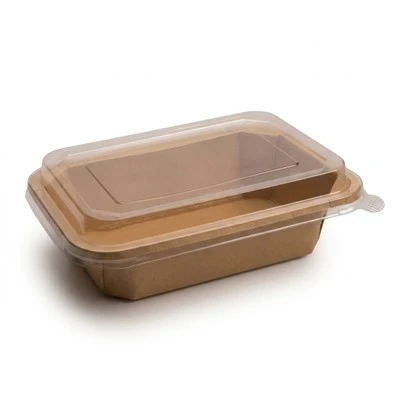
If you’re a business owner, caterer, or anyone who needs reliable, customizable push-pull PET lids, we’d love to chat. We can hook you up with samples, answer any questions you have, and help you figure out the right size and quantity for your needs. Don’t hesitate to reach out to us to get started—we’re here to help your business run smoother, one lid at a time.
PET Cold Drink Cup References:
- Association of Plastic Recyclers. (2022). PET Resin Recycling Guidelines.
- Food and Drug Administration. (2021). Food-Contact Substances: PET Plastics.
- National Restaurant Association. (2023). Takeout Packaging Trends & Customer Preferences.
Wuhan Xinyongan Industry and Trade Co., Ltd.
Wuhan Xinyongan Industry and Trade Co., Ltd. is one of the most professional pet lid manufacturers and suppliers in China, also supports customized service. We warmly welcome you to wholesale bulk high quality pet lid in stock here from our factory. If you have any enquiry about pricelist, please feel free to email us.
Address: No.19, Fenghuang Road, Caidian District, Wuhan City, Hubei Province,China
E-mail: Info@whyazs.com
WebSite: https://www.ipackpartner.com/
