Hey there, if you’ve landed here, chances are you’re either looking into coated steel belts for your operation, already using a set, or just curious about keeping industrial gear running smoothly. As someone who’s supplied coated steel belts for over 10 years—working with food processing, packaging, and material handling teams every day—one question comes up more than any other: “Do coated steel belts need special maintenance?” Coated Steel Belts
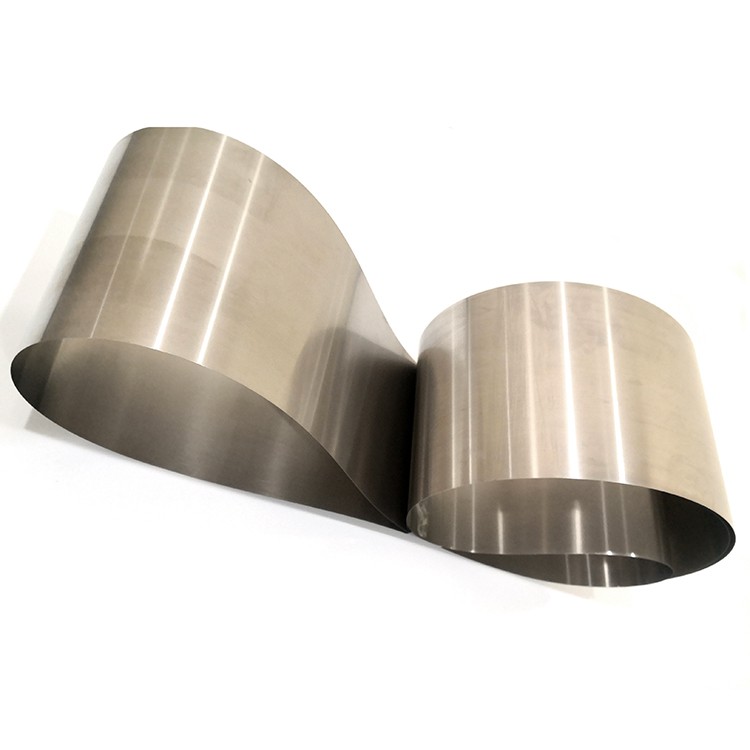
I get why that’s a big one. A lot of folks assume steel is just… steel. Solid, tough, set it and forget it. But coated steel belts aren’t plain carbon steel—they have a specialized coating (think PTFE, silicone, or urethane) that’s there for a reason: non-stick properties, corrosion resistance, even food safety compliance. Skip the right care, and that coating can wear out faster, leading to downtime, product waste, or even needing a full replacement way sooner than you should.
Let’s break this down without all the jargon. Plain steel might hold up to a little grit or mild spills, but your coated belts? They need a bit more attention than that. But here’s the good news: it’s not rocket science. Most maintenance tweaks are small, consistent habits that add up to way longer belt life.
First, let’s start with what the coating is actually for, because that ties directly to why you can’t treat it like uncoated steel. I’ve seen it time and again: a packaging operator uses a plain steel belt cleaner (like a wire brush) on a coated belt, and scratches that non-stick surface before the end of the shift. That’s a mistake. The coating is a thin layer—usually 0.01mm to 0.5mm thick—so rough abrasion, harsh chemicals, or even abrasive debris can chip or scratch it. Once the coating is compromised, steel underneath is exposed to moisture, food residue, or whatever you’re moving, which leads to rust, sticking, or even product contamination if it’s food-grade belts.
So what does special maintenance actually look like, day to day? Let’s go through the big ones.
Daily checks are non-negotiable, but not just a quick glance. You should do a 2-minute walkaround at the end of every shift. What to look for: any discoloration, tiny scratches, or spots where the coating looks dull. If you run food, check for food residue stuck in the belt’s gaps (even small bits can build up and cause the coating to lift over time). Also, listen—if you hear squeaking or rubbing, that’s usually a sign the belt’s misaligned, which causes uneven wear on the coating. Misalignment isn’t just a belt problem; it’s a coating problem, too, because one side of the belt is getting stretched more than the other. Fixing misalignment early saves you from needing to replace half the coating before its time.
Cleaning is the part where most people go wrong. For coated belts, you can’t use harsh solvents, alkaline cleaners over pH 10, or abrasive scrubbers. I always recommend mild, pH-neutral soap with a soft microfiber cloth or a nylon brush (the soft kind, not the stiff one). If you’re dealing with heavy-duty grime—like baked-on food residue—use a non-abrasive, food-safe degreaser, and let it sit for 5 minutes before gently wiping. No pressure washers, either. High-pressure water can seep under the coating, especially along edges, and cause it to peel away from the steel. I’ve had a client who used a pressure washer on their conveyor belts last quarter; they ended up replacing 3 sets because the coating peeled off within a month. That’s a $10k mistake, all from skipping the right cleaner.
Then there’s lubrication, if your belt runs on pulleys or rollers. Wait—do coated steel belts even need lube? Some do, but only the right kind. Plain steel belts use heavy grease, but coated ones? You need a dry lubricant that won’t damage the coating. Silicone-based sprays or PTFE powders work great here. Avoid anything with petroleum distillates—those will break down the coating over time. And don’t over-lube, either. Too much lube can attract dirt and debris, which grinds into the coating. A light spray every 1-2 weeks (depending on how much you run the belt) is more than enough.
Storage is another big one if you’ve got spare belts lying around. A lot of warehouses just stack new belts on the floor, leaning against other equipment. That’s a no-no. If the coating is pressed against a hard, rough surface for weeks, it can develop indentations or scratches, which turn into problem spots when you put it into use. Store spare belts on a flat, shelf lined with a soft material (like a rubber mat) and make sure they’re not rolled too tight—too small a roll diameter can cause the coating to crack, especially with PTFE coatings. I once had a client who ordered 5 spare belts and stored them on a concrete floor rolled up tight; when they unrolled them, three had cracked coatings. We had to rush-replace them, which cost them extra shipping fees and delayed their production. Lesson learned there.
Wait, but let’s talk about when special maintenance matters more than others. If you’re using food-grade coated belts for bakeries or meat processing, the coating has to stay intact to meet FDA or EU food safety rules. A scratch in the coating can trap bacteria, which is a huge no-no for food operations. For those, I even recommend monthly deep cleans with a food-safe sanitizer, just to make sure there’s no hidden residue. If you’re using belts for heavy material handling, like moving sharp metal parts, the coating might get a little nicked, but you can fix small nicks with a coating touch-up kit—we sell those for our clients, since it’s way cheaper than a full belt replacement. Just make sure to match the touch-up material to your existing coating; silicone won’t stick right to a PTFE belt, for example.
Now, what happens if you skip this special maintenance? Let’s be real—you’ll end up with more downtime. A belt with a damaged coating will stick to whatever you’re moving, which means jams, broken products, and lost production time. We had a customer in the packaging industry last year who didn’t clean their coated belts for 3 months. The non-stick coating wore down completely, so their boxes stuck to the belt, causing 4 hours of downtime a week. They ended up needing two new belts before their annual schedule, which cost them twice as much as if they’d done regular small cleanings.
I know, this all sounds like extra work, but it’s way less work than replacing belts every 6 months instead of every 2-3 years (which is the average with proper care). It’s just a matter of building those small habits into your existing routine.
Here’s the thing: as a coated steel belt supplier, we don’t just sell you a product and walk away. We work with our clients to create tailored maintenance plans. Because every operation is different—someone running a bakery has way different needs than a metal stamping plant. We’ll tell you exactly what cleaners to use, how often to check alignment, and even which touch-up kits work best for your coating type.
If you’re tired of dealing with frequent belt replacements, or you’re not sure if your current maintenance is hurting your belts, let’s chat. We can walk through your setup, answer any questions you have about keeping your coated steel belts in top shape, and help you find the right product and care plan for your business. Drop us a line to connect about your needs—we’re here to help you keep those belts running without the headaches.
Metal Belts References:
- "Coated Steel Conveyor Belts: Care and Maintenance Guidelines" – Industrial Belt Manufacturers Association, 2022
- Food and Drug Administration (FDA) Guidelines on Food-Contact Materials, 2021
- "PTFE Coating Durability: Impact of Cleaning Practices" – Journal of Industrial Materials Engineering, 2020
- "Urethane-Coated Steel Belts: Storage and Handling Best Practices" – Material Handling Industry Association, 2023
Qingdao Acome Machinery Co., Ltd.
Qingdao Acome Machinery Co., Ltd. is one of the most professional coated steel belts manufacturers and suppliers in China, featured by quality products and good service. Please rest assured to wholesale customized coated steel belts made in China here from our factory.
Address: No.71-006, YongPing Road, LiCang District, Qingdao, 266041, Shandong Province, China.
E-mail: info@acometech.com
WebSite: https://www.acometech.com/
