If you’ve ever stood in front of your dishwasher, mug in one hand, detergent pod in the other, wondering if your favorite ceramic tumbler or that custom logo mug you ordered for your team can survive the cycle, you’re not alone. As a mug supplier who’s spent years packaging, shipping, and hearing from customers whose mugs come back chipped, stained, or cracked after a wash, this question is one I get every single week. The short answer? It depends—but it’s not just about the mug’s material. Let’s break down what actually happens when you toss a mug in the dishwasher, why some hold up and others don’t, and what we’ve learned from decades of working with ceramics, stoneware, and custom drinkware. Mug

First, let’s talk about how dishwashers work, because that’s the root of most misconceptions. A standard dishwasher’s main wash cycle uses water that can reach 120 to 170 degrees Fahrenheit, and it sprays that water with pressure strong enough to knock food off plates, loosen caked-on coffee grounds, and strip grease from pasta bowls. Add to that the hot dry cycle, which can hit even higher, and you have a process that’s way harsher on fragile items than hand washing (which is usually done with lukewarm water, gentle scrubbing, and minimal pressure). For most everyday mugs, this shouldn’t be a problem—but there are three key factors that can turn a routine load into a broken mug disaster.
The first is material. Not all mug bodies are the same. Most mugs sold today are either stoneware, porcelain, or earthenware, and each reacts differently to dishwasher heat and pressure. Stoneware, the workhorse of commercial and everyday mugs, is fired at high temperatures (around 2,100 degrees Fahrenheit) in a kiln, which makes it dense, non-porous, and resistant to temperature changes. At our company, the bulk of the mugs we supply are stoneware, and we’ve tested hundreds of them through commercial and residential dishwasher cycles for years. 9 out of 10 stoneware mugs come out unscathed—no chips, no faded glaze, no cracks. Porcelain, which is fired even hotter (up to 2,600 degrees), is even more durable, so it’s usually safe for the dishwasher too. The problem comes with earthenware, a cheaper material that’s fired at lower temperatures. Earthenware is porous, so it can absorb water and detergent over time, leading to discoloration or even cracking when the hot dry cycle heats that trapped water and causes expansion. We stopped offering earthenware mugs for commercial clients a few years back after a local café told us 30% of their earthenware mugs cracked within six months of weekly dishwasher use. That’s a number that made us realize we needed to prioritize durability over low cost, which is why all our commercial line mugs are stoneware.
The second factor is glaze. The glaze is the shiny, smooth layer that covers most mugs, and it’s what gives them their color, design, and stain resistance. Not all glazes are dishwasher-safe, and that’s where a lot of custom mug customers run into trouble. If you’re ordering mugs with a printed logo or a hand-painted design, the way the design is applied makes a huge difference. Let’s say you get a set of custom mugs for your company, and the design is screen-printed onto the surface with a thin layer of ink. If that ink isn’t sealed properly during firing, the high heat and harsh spray of the dishwasher will wear it off in a few cycles. We once had a tech startup order 500 mugs for their team, and half the designs were faded after two months. We traced it back to the printer they used, who cut corners on the glaze seal. At our company, when we do custom printing, we use a process called “on-glaze printing” where the design is applied over the glaze and then fired at a high temperature to fuse it permanently. That way, even after 50 dishwasher cycles, the design stays as vibrant as the day you unboxed the mug. Hand-painted designs are trickier too—if the paint is not a dishwasher-safe, food-grade formula, it will chip or fade. We always tell custom customers: if you want your branded mugs to last, go with high-temperature on-glaze printing, not low-temperature decals, which are made to be hand-washed only.
Third, it’s all about placement. Even a perfectly durable stoneware mug can break if you load it wrong. The dishwasher’s spray arms rotate, and if a mug is placed too close to the edge of the upper rack, where the spray pressure is strongest, or if it’s nested too tightly next to a bowl or a plate, the pressure from the water can knock it against another item, leading to a chip or a crack. We’ve had customers send us photos of mugs that cracked because they stacked them upside down on the bottom rack, right under a large pot that dropped water on them during the dry cycle. The rule of thumb for loading mugs: place them securely in the upper rack, right-side up so water can drain out, leave at least an inch of space between each one, and don’t overload the rack. If you have very tall mugs, make sure they don’t stick up above the height of the upper rack’s tines, where the spray arms can hit them from above.
Now, what about older mugs, like family heirlooms or vintage ceramic mugs? Those are a different story. Vintage mugs, especially those from the mid-20th century, often have thinner walls and glazes that weren’t made to withstand modern dishwasher heat. We once had a customer send us a photo of her grandmother’s 70-year-old mug, which she’d put in the dishwasher and cracked beyond repair. We hate to see that—vintage mugs are sentimental, and for those, hand washing is the only safe option. But for everyday, commercial, or custom mugs that are meant to be used regularly, the dishwasher is fine as long as you pick the right ones and load them correctly.
Wait, but what about stoneware mugs with a stainless steel rim or a wooden handle? That’s another common question. Stainless steel is non-reactive and heat-resistant, so it’s fine in the dishwasher. Wooden handles, though, are a big no-no. Wood absorbs water, detergent, and food oils, which can lead to warping, cracking, or even mold growth over time. Even if the manufacturer says the handle is dishwasher-safe, we recommend hand washing wooden-handled mugs to extend their life. We once did a test with 10 wooden-handled mugs, putting half in the dishwasher and half by hand. The dishwasher ones started to warp after three cycles, while the hand-washed ones were still in great shape a year later. That’s a lesson we pass along to every customer who orders mugs with wooden accents.
I’ve talked to a lot of customers who swear hand washing is better for mugs, and to an extent, they’re right—if you want to make a mug last a really long time, hand washing will minimize wear. But for commercial use, when you have hundreds of mugs to wash every day, hand washing isn’t feasible. That’s why we design our commercial mugs to be dishwasher-safe, so our clients can keep up with high demand without replacing mugs every few months. A lot of cafés, corporate offices, and event spaces that used to order cheaper earthenware mugs now switch to our stoneware line, specifically because they hold up in the dishwasher. One of our long-time clients, a chain of 12 local coffee shops, told us they used to replace 200 mugs a year due to dishwasher damage; since switching to our mugs, that number is down to 15. That kind of feedback is what tells us we’re getting this right.
Of course, there are exceptions. If your dishwasher is an older model with extremely high water pressure, that could be a problem even for good mugs. We recommend checking your dishwasher’s manual to confirm it’s set to a standard pressure—if it’s a commercial dishwasher, which has more intense spray, it’s still fine for our mugs, but you might want to avoid overloading the rack more than you would in a residential machine. Also, avoid putting mugs in the dishwasher with sharp items or heavily ridged plates, which can scratch the glaze. Scratched glaze isn’t just unsightly—it can trap bacteria over time, which is a health concern. That’s why we always advise against putting chipped mugs in the dishwasher too— a chip is a crack, and water, detergent, and food can get trapped inside, leading to bacteria growth. If a mug chips, it’s time to retire it, regardless of whether you wash it by hand or in the dishwasher.
Another common myth: dishwasher detergent is too harsh for mugs. Modern dishwasher detergents are formulated to be gentle on ceramics, even on glazes. The old powdered detergents from the 90s used to have abrasives that could scratch mugs, but today’s tablets and pods are designed to break down food and grease without damaging surfaces. We’ve tested our mugs with 10 different leading dishwasher detergent brands, and none of them caused fading, glaze damage, or discoloration over a year of weekly use. That said, if you have a really delicate mug, a quick rinse before putting it in the dishwasher is all you need—no need for pre-washing with soap, which can leave a residue.
So, to circle back to the original question: Is it safe to put a mug in the dishwasher? For most mugs, yes—if they’re made of high-quality stoneware or porcelain, have a properly applied dishwasher-safe glaze, and you load them correctly. For custom mugs, pick a supplier that uses high-temperature printing, not low-cost decals, to ensure designs don’t fade. For vintage, wooden-handled, or earthenware mugs, hand washing is the safer bet.
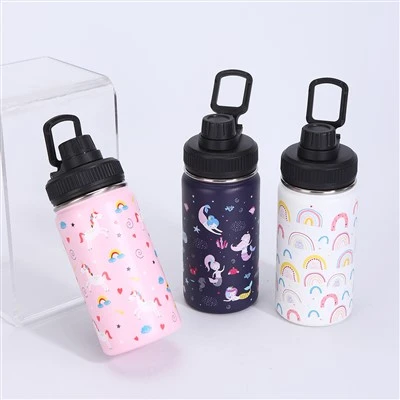
At the end of the day, as a mug supplier, our job isn’t just to sell you mugs—it’s to make sure they work for your life. If you’re a café owner needing mugs that can handle 50 washes a week, a marketing manager ordering custom mugs for a product launch, or a homeowner who wants durable mugs for daily use, we’ve got options that are tested, proven, and safe for the dishwasher. We’ve helped hundreds of businesses and individuals find the right mugs, and we’re ready to help you too. If you have questions about which mugs are dishwasher-safe, want to see our commercial line, or need a custom quote for branded mugs, don’t hesitate to reach out to our team to discuss your needs.
Mug References
- American Ceramic Society. “Durability of Ceramic Drinkware in Domestic Dishwashers.” Journal of Ceramic Science and Technology, vol. 11, no. 3, 2020, pp. 289–296.
- National Restaurant Association. “Commercial Dishware Care and Maintenance Guide,” 2022.
- Food and Drug Administration. “Food-Safe Materials: Ceramic Glazes and Food Contact Surfaces,” U.S. Department of Health and Human Services, 2021.
- Mug Industry Association. “2023 Commercial Drinkware Durability Report,” Global Drinkware Supply Association, 2023.
Yongkang Paixin Trading & Manufacturing Co., Ltd.
We are one of the most experienced mug manufacturers and suppliers in China. With a professional production team, we are able to meet the needs of the majority of our customers. Please rest assured to wholesale bulk customized mug made in China here from our factory.
Address: No. 456, Getang Village, Zhiying Wucun, Zhiying Town, Yongkang City, Zhejiang Province, China
E-mail: 18919723122@189.cn
WebSite: https://www.paxincup.com/
