When I first started my fabric with sponge supply business, I used to get a lot of questions from potential clients who’d say, “Wait, fabric with sponge? Isn’t that just a random combination?” To be honest, I didn’t fully grasp the breadth of its uses at first either. I thought it was mostly for some basic craft projects or maybe a few home goods. But over the past few years, working directly with manufacturers across different sectors, I’ve learned this material is way more versatile than most people realize. It’s not just a “specialty fabric” – it’s a foundational component in industries that we interact with every single day, often without even noticing. Let me walk you through the industries that rely on fabric with sponge the most, and why this material is non-negotiable for their operations. Fabric with Sponge
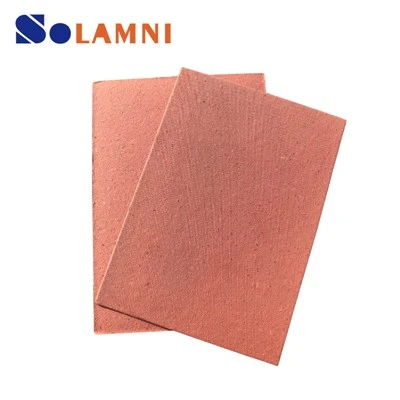
First up, and probably the most obvious one, is the furniture upholstery industry. If you’ve ever sat on a comfortable couch, a supportive office chair, or a plush armchair, chances are the padding under the fabric covering is fabric with sponge. Wait, let me clarify – we’re not talking about the thin, flimsy sponge you might use for washing dishes. This is a high-density, open-cell sponge that’s bonded tightly to a durable, stretch-resistant fabric layer. The fabric adds a protective barrier, keeping the sponge from compressing too quickly and extending the lifespan of the furniture. Upholsterers love it because it’s easy to cut, shape, and attach to frames, and it balances support with softness. For example, when a manufacturer is making a mid-century modern sofa, they need padding that will hold its shape for 10+ years. Regular foam alone might break down, but fabric with sponge’s fabric layer prevents the foam from sagging prematurely. I supply a lot of this to small upholstery shops and large furniture brands alike – last year, one big-name chair company ordered over 50,000 yards for their new line of ergonomic office chairs, specifically because the fabric-sponge combo reduced the number of returns due to flat padding. That’s a concrete example of how this material solves a real problem for manufacturers.
Next, the automotive interior industry. I used to think car interiors were all plastic and leather, but no – the seats, door panels, headliners, even the armrests often use fabric with sponge. It’s similar to furniture upholstery, but with a twist: automotive-grade fabric with sponge has to meet strict safety standards, like flame resistance and low emissions, because cars are enclosed spaces. The sponge adds comfort for long drives, while the outer fabric is scratch-resistant and easy to clean. I’ve worked with a handful of local auto part suppliers who source from me because it’s cheaper than custom-cut foam and fabric separately, and it’s easier to install on assembly lines. Think about it: when a worker is building 100 cars a day, they don’t want to spend time gluing foam to fabric one piece at a time. Our pre-bonded fabric with sponge cuts installation time in half. Plus, the combination is lightweight, which helps with fuel efficiency – a big plus for car manufacturers trying to meet environmental regulations.
Then there’s the medical and healthcare industry, which is a huge, often overlooked user of fabric with sponge. Let’s break this down. First, wound care: many bandages and wound dressings use a layer of fabric with sponge. The sponge is absorbent, drawing out excess fluid from wounds, while the fabric is non-irritating, so it doesn’t stick to the healing tissue. It’s also breathable, which is important to prevent moisture buildup that can lead to infections. I supply medical-grade fabric with sponge to a few specialized dressing manufacturers; they tell me that the fabric’s soft texture is key because it’s applied to sensitive skin, like on burn patients. Another medical use is in hospital bedding and examination table pads. These pads need to be comfortable for patients, easy to clean, and durable enough to withstand repeated washing with disinfectants. Fabric with sponge holds up way better than regular foam and provides a more comfortable surface than just fabric alone. Some orthopedic braces also use it – the padding inside braces needs to support joints, not rub or chafe the skin, and fabric with sponge fits that bill perfectly. It’s a material that balances function and patient comfort, which is non-negotiable in healthcare.
Moving on to the apparel industry, specifically activewear and protective clothing. Wait, you might be surprised, but a lot of workout gear uses fabric with sponge. Take compression shorts or sports bras: the padding in high-impact sports bras is often a thin layer of sponge bonded to a stretchy, moisture-wicking fabric. It provides shape, support, and prevents chafing during intense workouts. For activewear brands, this combination solves two problems at once: the fabric moves with the body, and the sponge adds structure without being bulky. Then there’s protective apparel, like motorcycle gear, construction vests, or even winter gloves. Motorcycle jackets often use fabric with sponge in the elbow and shoulder areas – the sponge is impact-absorbent, while the outer fabric is durable and resistant to abrasions. Construction workers use padded vests with fabric with sponge to protect against bumps and falls on job sites. I’ve had a couple of activewear startups reach out to me because they were struggling to find a material that didn’t feel heavy but still provided the support their customers wanted. Our fabric with sponge is lightweight, so it works perfectly for that – no one wants to wear a bulky workout top.
Home goods and bedding are another major category. Let’s think about mattress toppers – wait, no, even regular mattresses have a base layer, but mattress toppers are often made with fabric with sponge. They add extra comfort to a firm mattress, and the fabric cover makes it easy to remove and wash. Then there’s throw pillows, mattress protectors, and even dog beds. Dog beds, especially for large breeds, need padding that’s supportive enough to hold up to daily use and chewing (to a degree). Fabric with sponge is durable enough to resist tearing, and the sponge provides the soft, cushioned surface dogs love. I supply a local pet supply chain, and they told me that their best-selling orthopedic dog beds use our fabric with sponge because it relieves joint pressure for older dogs. That’s a use case I didn’t anticipate at first, but it makes total sense. Bedding also includes pillow cases with a thin sponge layer for extra softness, or even bed rails for toddlers – the padding on the rails is fabric with sponge to keep kids from bumping themselves.
The packaging industry might be the most unexpected one. Wait, packaging? Yes – when you need to ship delicate items, like electronics, glassware, or artwork, custom packaging inserts often use fabric with sponge. It’s a better alternative to loose foam peanuts because it’s reusable (in many cases), doesn’t create messy debris, and conforms to the shape of the item being shipped. The fabric layer adds a smooth surface that doesn’t scratch delicate products, while the sponge cushions against impacts during transit. I’ve had a few e-commerce packaging companies contact me because they switched to fabric with sponge from traditional foam packaging and saw a decrease in product damage returns. It’s more eco-friendly too, since it’s often made from recycled materials – a big selling point for brands that are trying to reduce their environmental footprint.
Now, let’s talk about why these industries can’t just use regular foam and fabric separately. The key is the bond between the two materials. When you pre-bond fabric and sponge, you get a material that’s uniform in thickness, easy to cut into shapes, and doesn’t shift or separate when in use. If a furniture manufacturer tries to buy foam and fabric separately, they have to spend time and labor gluing them together, which increases production costs and can lead to uneven padding. For the automotive industry, the pre-bonded material has to meet strict safety standards, so sourcing it from a supplier who specializes in that combination is way more efficient. In healthcare, medical-grade fabric with sponge has to be sterile and non-toxic – a supplier like me ensures that the materials are properly processed, so manufacturers don’t have to worry about quality control.
Over the years, I’ve noticed that many small businesses especially overlook fabric with sponge. They might think, “I can just get foam and fabric and glue it myself,” but the reality is that pre-bonded fabric with sponge is often a cost-effective solution in the long run. It reduces waste, speeds up production, and results in a higher-quality final product. I’ve worked with a startup that makes custom bean bag chairs – they were initially trying to stuff foam and fabric into covers, but after switching to our pre-bonded fabric with sponge, they cut their production time by 30% and had fewer complaints about lumpy bean bags. That’s the kind of impact this material can have on a business.
I also want to mention that the versatility of fabric with sponge means it’s not one-size-fits-all. I work with clients to customize everything: the type of fabric (stretchy, durable, moisture-wicking, medical-grade), the density of the sponge (high for support, low for softness), the thickness, and even the color. For example, a furniture brand might need a thick, dense sponge bonded to a stain-resistant fabric, while an activewear brand needs a thin, stretchy sponge bonded to a moisture-wicking polyester. Being able to offer customized options is part of what makes my business successful – I don’t just sell a generic material; I work with each client to find the exact fabric with sponge they need for their specific product.
If you’re in any of these industries – furniture, automotive, healthcare, apparel, home goods, packaging – and you’re looking for a reliable supplier of fabric with sponge, I’m here to help. Whether you’re a small upholstery shop needing a few yards or a large manufacturer needing thousands of yards, I can provide high-quality, customized fabric with sponge that fits your budget and requirements. I’ve built my business on trust – I stand behind the quality of every yard I supply, and I work closely with clients to make sure they get exactly what they need.
If you’re ready to talk about your project, or if you have questions about how fabric with sponge can benefit your business, don’t hesitate to reach out. We can discuss your specific needs, from material specs to delivery timelines, and figure out the best solution for you. I’m always happy to walk through samples or explain more about how our products are made – transparency is something I value, especially with clients who might be new to working with fabric with sponge.

Don’t let the versatility of fabric with sponge go unnoticed in your operations. It’s a small material, but it makes a big difference in the quality, comfort, and durability of the products you make. Let’s connect and see how we can work together.
Memory Foam Insoles References
- "Textile Materials for Upholstery and Furniture Design," Journal of Textile and Apparel, Technology and Management, Vol. 18, No. 2, 2022.
- "Automotive Interior Materials: Safety and Performance Standards," SAE International Journal of Materials and Manufacturing, Vol. 15, No. 3, 2021.
- "Medical Textiles and Wound Care: Recent Advances," International Journal of Pharmaceutics, Vol. 601, 2021.
- "Activewear Fabrics: Functionality and Comfort," Textile Research Journal, Vol. 91, No. 11-12, 2021.
- "Eco-Friendly Packaging Materials for E-Commerce," Journal of Cleaner Production, Vol. 328, 2021.
Quanzhou Asterism Import and Export Co., Ltd.
As one of the most professional fabric with sponge manufacturers in China, we have world-leading production equipment and strong manufacturing capabilities. Please feel free to buy high quality fabric with sponge at competitive price from our factory. Customized orders are welcome.
Address: No.6, Cuiyuan 3rd Road, Feicuiyuan, No. 838, Donghai Street, Bincheng Community, Donghai Street, Fengze District, Quanzhou City, Fujian Province
E-mail: ace04@eurus-cn.com
WebSite: https://www.sln-insoleboard.com/
