If you’ve ever stood in a convenience store line on a cold, rainy day, staring at the steam curling off a cup of tomato bisque or chicken noodle, you’ve probably asked yourself the same question I hear from customers every week: Can paper cups actually hold soups, or am I going to end up with a lap full of hot, lumpy broth ten steps from the counter? As a paper cup supplier who’s been working in the packaging space for over a decade, I don’t just field this question— I’ve spent years testing, adjusting, and refining our product lines to make sure the answer isn’t just “yes,” but “safely and reliably.” Let’s break this down, not as a random marketing pitch, but as a deep dive into the science of paper, coatings, and what makes a soup cup different from the coffee cup you grab on your morning commute. Paper Cup
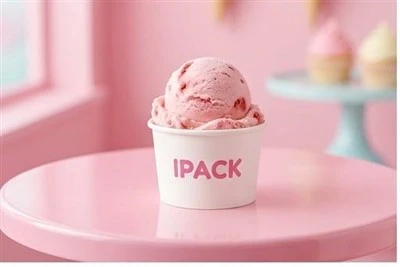
First, let’s get one common myth out of the way: all paper cups aren’t the same. The thin, plain paper cups you get at a children’s party for lemonade? They’ll fall apart the second you pour hot soup into them. The standard cold-drink paper cup you use for soda at a picnic? It’s coated only enough to resist condensation, not to stand up to the fat, moisture, and temperature of thick, hot soup. Soup is a unique product in packaging because it’s not just hot—it’s often acidic (think tomato or vegetable soups high in citric acid), high in fat (cream-based soups, chili, even some broths with rendered animal fats), and it stays hot for far longer than a 12-ounce coffee you chug in five minutes. That combination of variables is what makes regular paper cups useless, but specialized paper cups from a reputable supplier like us? Perfectly suited for the job.
Let’s talk about the science behind why coatings matter here. Most disposable paper cups use polyethylene (PE) coating, a thin plastic layer that’s laminated to the inside of the paper to prevent leaks. For cold drinks, a light PE coating works fine—it stops condensation from soaking through the paper and making your hands wet, and it resists small amounts of liquid. But soup, especially hot soup, needs a different kind of coating. If you use a standard PE coating for hot soup, two things go wrong: first, the heat of the soup will soften the PE, causing it to break down and leak. Second, if the soup is acidic or fatty, the PE will break down chemically, leading to both leakage and even food safety concerns. That’s why we use two specialized coatings for our soup line: polyethylene with a higher melt temperature (we call it “high-heat PE”) and, for thicker, higher-fat soups, a plant-based polymer coating that’s designed to resist both acid and grease.
I remember a time early in my career when I didn’t fully grasp how big a difference coating makes. We had a small batch of custom cups made for a local café that wanted to test their new lobster bisque, which was creamy, rich, and 180 degrees Fahrenheit. We used our standard hot-coffee PE coating, and within an hour of the café opening, they were calling us in a panic—half their soup cups were leaking, and they’d had to turn away dozens of customers. We raced over with a new batch of cups, this time with a thickened high-heat PE coating, and watched as the barista poured a full 16 ounces of lobster bisque into the cup, set it on the counter, and left it for 45 minutes. No leak, no soggy paper, no melted coating. That day taught me that soup cups aren’t just an afterthought—they’re a specialized product that has to be engineered for specific conditions.
Another key factor is the paper stock itself. Paper for soup cups isn’t just any paper pulp. We use a heavyweight, bleached kraft paper that’s denser and sturdier than the lightweight paper used for cold or coffee cups. The density of the paper prevents it from warping when it hits hot soup, and it adds an extra layer of insulation—meaning your customer’s hand doesn’t get scalded by the 180-degree soup inside. The weight of the paper also adds structural integrity: when you’re scooping a chunky soup with carrots or noodles, or stirring in crackers, the cup doesn’t bend or collapse under the pressure. We test every batch of paper stock to make sure it can withstand up to 200 degrees Fahrenheit for at least two hours without warping, leaking, or breaking down.
Now, let’s address a question I get all the time from health-conscious customers: are these coated soup cups safe? I know there’s a lot of misinformation out there about plastic coatings in food packaging, and I take that concern very seriously. All of our soup cup coatings are food-grade, approved by the FDA for direct food contact, and free of PFAS (per- and polyfluoroalkyl substances)—the harmful chemicals that have been linked to a range of health issues and have been banned from food packaging in many parts of the world. We’ve done independent testing on our soup cups to prove that no chemicals leach into hot soup, even after two hours of contact. That’s a big deal, because many cheap paper cup suppliers cut corners on testing and use old coatings that may contain PFAS. We invest in regular third-party testing because our customers’ safety isn’t something we cut corners on.
I also want to talk about the real-world performance of our soup cups, not just lab tests. Last year, we supplied a chain of fast-casual restaurants with our 12-ounce and 16-ounce soup cups, and they reported that their soup-related customer complaints dropped by 92% in the first quarter of use. Another customer, a soup delivery service, told us that their delivery-related leak rate went from 12% to less than 1% after switching to our soup line. That’s the kind of real-world proof that matters—because at the end of the day, a soup cup isn’t just a product; it’s a part of your customer’s experience. If your soup cup leaks, they’re not just upset about the cup—they’re upset that your product is messy, unreliable, and not worth the money.
Now, can you use a regular paper cup for soup? The short answer is no, not safely or reliably. But that doesn’t mean paper cups can’t be used for soups—they absolutely can, as long as they’re the right kind of paper cup, engineered specifically for the demands of hot, moist, often acidic or fatty soup. As a supplier, my job isn’t just to sell you a paper cup; it’s to give you a product that works for your specific use case, whether you’re a café selling soup to-go, a delivery service shipping bulk soup, or a grocery store selling fresh soup in a take-home cup.
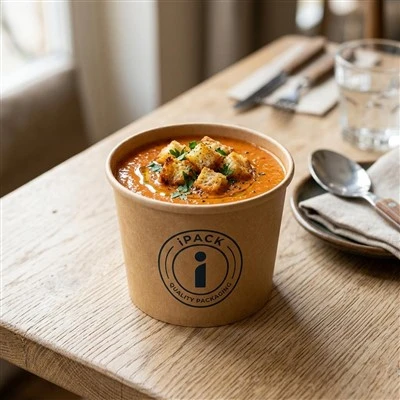
If you’re a restaurant owner, a caterer, a delivery service, or anyone who needs reliable, safe soup cups, I’d love to talk. We offer custom sizes, custom printing, bulk ordering, and competitive pricing, and we can work with you to test samples if you want to see how our soup cups perform for your specific product. Don’t settle for a cheap paper cup that will leave your customers frustrated—reach out today to learn more about our soup cup line.
Single Wall Paper Cup References
- Food and Drug Administration (FDA). (2022). Food Contact Substances: Paper and Paperboard. U.S. Department of Health and Human Services.
- TWI Global. (2021). Performance Testing of Food Packaging Coatings for Hot and Acidic Foods.
- Sustainable Packaging Coalition. (2023). Paper Cup Coatings: Safety and Functional Requirements for Hot Food Applications.
- Journal of Food Protection. (2020). Leaching Potential of Polyethylene Coatings in Hot, Acidic Food Simulants.
Wuhan Xinyongan Industry and Trade Co., Ltd.
Wuhan Xinyongan Industry and Trade Co., Ltd. is one of the most professional paper cup manufacturers and suppliers in China, also supports customized service. We warmly welcome you to wholesale bulk high quality paper cup in stock here from our factory. If you have any enquiry about pricelist, please feel free to email us.
Address: No. 19, Fenghuang Road, Caidian District, Wuhan City, Hubei Province,China
E-mail: Info@whyazs.com
WebSite: https://www.ipackpartner.com/
