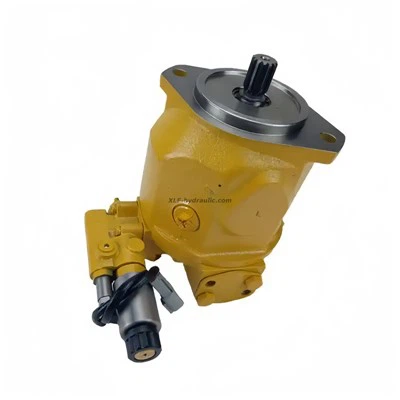
As a supplier of A4VSO Axial Piston Pumps, I understand the importance of maintaining a stable flow rate in hydraulic systems. The A4VSO series is renowned for its high efficiency, reliability, and versatility, making it a popular choice in various industrial applications. However, achieving and maintaining a stable flow rate can sometimes be challenging due to several factors. In this blog, I will share some practical tips and strategies on how to improve the stability of the flow rate of A4VSO Axial Piston Pumps. A4VSO Axial Piston Pump
Understanding the A4VSO Axial Piston Pump
Before delving into the methods of improving flow – rate stability, it is essential to understand the basic working principle of the A4VSO Axial Piston Pump. This pump operates on the principle of positive displacement. A set of pistons are arranged axially within a cylinder block. As the cylinder block rotates, the pistons reciprocate within their bores, causing the intake and discharge of hydraulic fluid. The flow rate of the pump is primarily determined by the speed of the drive shaft, the displacement of the pistons, and the effective area of the pistons.
Factors Affecting Flow – Rate Stability
- Mechanical Wear: Over time, the components of the A4VSO pump, such as the pistons, cylinder block, and valve plate, can experience wear. This wear can lead to internal leakage, which in turn affects the flow rate. For example, if the pistons wear out, the seal between the pistons and the cylinder bores is compromised, allowing hydraulic fluid to leak back to the intake side, reducing the net flow rate.
- Fluid Contamination: Hydraulic fluid can become contaminated with particles, water, or air. Particulate contamination can cause abrasion of the pump components, leading to increased wear and internal leakage. Water can cause corrosion of the metal parts, and air bubbles in the fluid can result in cavitation, which not only damages the pump but also causes fluctuations in the flow rate.
- Pressure Fluctuations: Unstable system pressure can have a significant impact on the flow rate of the A4VSO pump. If the pressure in the system suddenly changes, the pump may not be able to adjust quickly enough, resulting in flow – rate variations. This can be due to sudden changes in the load on the hydraulic system or problems with the pressure control valves.
- Drive – Shaft Speed Variations: The flow rate of the A4VSO pump is directly proportional to the speed of the drive shaft. Any variations in the drive – shaft speed, such as those caused by a faulty motor or a mechanical coupling problem, can lead to instability in the flow rate.
Strategies to Improve Flow – Rate Stability
Regular Maintenance and Component Inspection
- Inspect and Replace Worn Components: Conduct regular inspections of the pump internals, especially the pistons, cylinder block, and valve plate. Look for signs of wear, such as scratches, scoring, or excessive clearances. If any components are worn beyond the acceptable limits, replace them promptly. Using high – quality replacement parts is crucial for maintaining the performance and flow – rate stability of the pump.
- Fluid Management:
- Filtration: Install high – efficiency filters in the hydraulic system to remove particulate contaminants from the fluid. Regularly change the filters according to the manufacturer’s recommendations.
- Fluid Analysis: Periodically perform fluid analysis to monitor the condition of the hydraulic fluid. Check for the presence of water, air, and contaminants. If the fluid quality is poor, replace the fluid and clean the system to prevent further damage to the pump.
- Proper Fluid Viscosity: Use the correct viscosity of hydraulic fluid as recommended by the pump manufacturer. The viscosity of the fluid affects the internal leakage and the overall performance of the pump. Incorrect viscosity can lead to flow – rate fluctuations.
Pressure Control and Regulation
- Install Pressure – Control Valves: Use properly sized and calibrated pressure – control valves in the hydraulic system. These valves help to maintain a stable pressure within the system, which in turn stabilizes the flow rate of the pump. Relief valves can be used to prevent over – pressure situations, while pressure – reducing valves can be used to control the pressure at specific points in the system.
- System Optimization: Analyze the hydraulic system layout and design to minimize pressure drops and sudden pressure changes. Use appropriate piping sizes and avoid sharp bends or restrictions in the pipes, as these can cause pressure fluctuations.
Drive – Shaft Stability
- Motor Maintenance: Ensure that the drive motor is in good working condition. Check the motor for proper alignment, vibration, and temperature. A faulty motor can cause speed variations, which directly affect the flow rate of the pump.
- Coupling Inspection: Inspect the drive – shaft coupling regularly. A loose or misaligned coupling can transmit vibrations and torque variations to the pump, leading to flow – rate instability. Replace any worn or damaged couplings.
Monitoring and Adjustment
- Flow – Rate Monitoring: Install a flow – rate sensor in the hydraulic system to continuously monitor the flow rate of the A4VSO pump. This allows you to detect any deviations from the desired flow rate in a timely manner.
- Adjustment of Pump Parameters: Some A4VSO pumps are equipped with adjustable displacement settings. If the flow rate is not stable, you can adjust the displacement of the pump within the allowable range to achieve the desired flow rate. However, make sure to follow the manufacturer’s guidelines when making these adjustments.
Conclusion
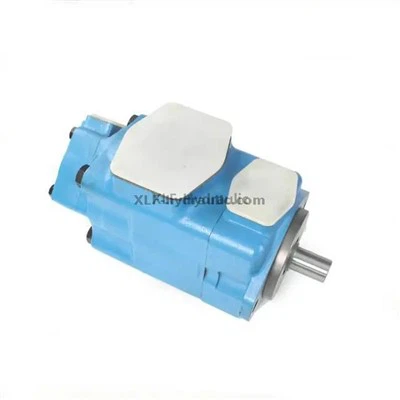
Improving the stability of the flow rate of A4VSO Axial Piston Pumps requires a comprehensive approach that addresses mechanical, fluid, pressure, and drive – shaft related factors. By following the strategies outlined in this blog, such as regular maintenance, proper fluid management, pressure control, and drive – shaft stability, you can significantly enhance the flow – rate stability of your A4VSO pumps.
Sectional Control Valves If you are looking for high – quality A4VSO Axial Piston Pumps or need more technical support on improving the flow – rate stability of your hydraulic systems, we are here to help. Our team of experts has extensive experience in the field of hydraulic pumps and can provide you with customized solutions to meet your specific requirements. Contact us to start a procurement discussion and take your hydraulic system performance to the next level.
References
- Bosch Rexroth. A4VSO Series Axial Piston Pump Technical Manual.
- Miller, D. P. Hydraulic Pumps: Principles, Operation, and Maintenance. Industrial Press, 2015.
- Hydraulic Institute. Hydraulic System Design and Installation Guide.
Wuhan Xinlaifu Hydraulic Equipment Co., Ltd.
Wuhan Xinlaifu Hydraulic Equipment Co., Ltd. is one of the most professional a4vso axial piston pump manufacturers and suppliers in China, featured by high quality OEM&ODM products. Please feel free to buy customized a4vso axial piston pump from our factory.
Address: Liansu Industrial Park, No.1, Xincheng 11th Road, Dongxihu District, Wuhan, Hubei, China
E-mail: service@xlf-hydraulic.com
WebSite: https://www.xlf-hydraulic.com/
