In the realm of electrical power systems, the analysis of sulfur hexafluoride (SF6) gas is of critical importance. SF6 is widely used in high-voltage electrical equipment due to its excellent insulating and arc-quenching properties. An SF6 analyzer plays a vital role in ensuring the proper functioning and safety of these electrical systems by accurately measuring the purity, moisture content, and other parameters of SF6 gas. One question that often arises among our customers is whether an SF6 analyzer can be connected to a computer. In this blog post, I’ll delve into this topic, sharing insights from my experience as a supplier of SF6 analyzers. SF6 Analyzer
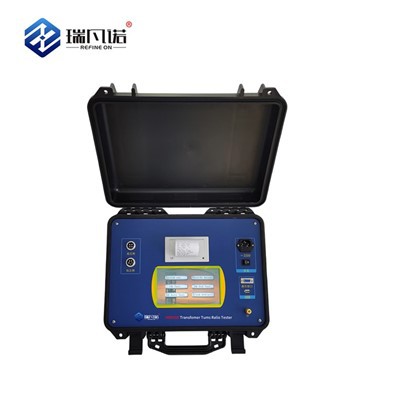
The Need for Connectivity
Before we explore the possibility of connecting an SF6 analyzer to a computer, it’s essential to understand why such connectivity is desirable. In modern industrial and electrical applications, data management and analysis have become integral to efficient operations. By connecting an SF6 analyzer to a computer, users can achieve several significant benefits.
Firstly, it enables real – time data monitoring. Instead of manually checking the readings on the analyzer’s display at regular intervals, users can have a continuous stream of data on their computer screens. This is particularly useful in large electrical substations where multiple SF6 – filled equipment are in operation. Real – time monitoring allows for immediate detection of any abnormal changes in SF6 gas parameters, which can prevent potential equipment failures and safety hazards.
Secondly, data storage and historical analysis are made much easier. Computers can store large amounts of data over extended periods. This historical data can be invaluable for trend analysis, predictive maintenance, and regulatory compliance. For example, by analyzing long – term trends in SF6 moisture content, maintenance teams can predict when equipment is likely to require servicing, reducing downtime and maintenance costs.
Thirdly, connectivity facilitates data sharing and reporting. In a large organization, different departments such as engineering, maintenance, and management may need access to SF6 analysis data. By connecting the analyzer to a computer, data can be easily shared across the organization, and comprehensive reports can be generated using software applications.
Technical Feasibility of Connecting an SF6 Analyzer to a Computer
The good news is that, in most cases, it is indeed possible to connect an SF6 analyzer to a computer. The feasibility depends on several factors, including the design and features of the analyzer.
Communication Interfaces
Most modern SF6 analyzers are equipped with various communication interfaces to enable connectivity. These interfaces include USB (Universal Serial Bus), RS – 232, Ethernet, and Bluetooth.
- USB Interface: A USB interface is one of the most common and user – friendly options. It allows for easy plug – and – play connection to a computer. Once connected, the computer can recognize the analyzer as a peripheral device, and data transfer can begin. Many of our SF6 analyzers with USB interfaces come with dedicated software that simplifies the data transfer process and provides a user – friendly interface for data viewing and analysis.
- RS – 232 Interface: RS – 232 is an older but still widely used serial communication interface. It requires a serial port on the computer, which may be a limitation in modern laptops that often lack such ports. However, USB – to – RS – 232 converters are readily available, allowing for a connection between the analyzer and the computer.
- Ethernet Interface: An Ethernet interface provides high – speed data transfer and the ability to connect the analyzer to a local area network (LAN). This is particularly useful in large industrial facilities where multiple analyzers can be connected to a central network for data collection and management. Analyzers with Ethernet interfaces can be accessed remotely via the network, allowing for off – site monitoring and control.
- Bluetooth Interface: Bluetooth offers wireless connectivity, which is convenient for users who need to move the analyzer around or operate it in areas where wired connections are not practical. With a Bluetooth – enabled SF6 analyzer, users can connect it to a computer or a mobile device within the Bluetooth range, typically up to 10 meters.
Compatibility with Software
In addition to the communication interface, the analyzer must be compatible with appropriate software for data transfer and analysis. Most analyzer manufacturers provide their own software that is specifically designed for their products. This software is usually easy to install and use, and it offers a range of features such as data logging, graphing, and report generation.
When choosing an SF6 analyzer, it’s important to consider the software’s capabilities and compatibility with your operating system. For example, some software may only be compatible with Windows operating systems, while others may support multiple platforms such as Windows, macOS, and Linux.
Practical Considerations for Connecting an SF6 Analyzer to a Computer
While the technical aspects of connecting an analyzer to a computer are relatively straightforward, there are some practical considerations that users should keep in mind.
Data Security
When transferring data from the analyzer to the computer, data security is a significant concern. The data collected by the SF6 analyzer contains sensitive information about the electrical equipment’s condition, and unauthorized access to this data could pose risks. To ensure data security, users should use secure communication protocols, such as encryption, when transferring data. Additionally, the computer used for data storage and analysis should be protected by a reliable antivirus software and a firewall.
Calibration and Accuracy
Connecting the analyzer to a computer does not affect its calibration or accuracy directly. However, it’s important to ensure that the analyzer is properly calibrated before and after connecting it to the computer. Any changes in the operating environment or the connection process could potentially introduce errors. Regular calibration checks are necessary to maintain the accuracy of the analyzer’s measurements.
Training and Support
Users may require some training to effectively connect and use the SF6 analyzer with a computer. As a supplier, we offer comprehensive training and support services to our customers. Our technical support team can assist with installation, configuration, and troubleshooting, ensuring that users can make the most of the connectivity features of our analyzers.
Conclusion
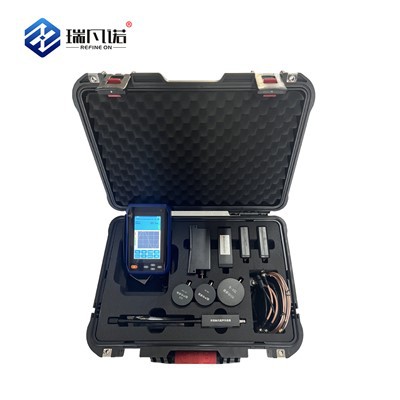
In conclusion, connecting an SF6 analyzer to a computer is not only possible but also highly beneficial. It offers real – time data monitoring, easy data storage and analysis, and convenient data sharing and reporting. With the availability of various communication interfaces and compatible software, the process of connecting the analyzer to a computer is relatively straightforward. However, users should consider practical aspects such as data security, calibration, and training.
Partial Discharge Tester As a leading supplier of SF6 analyzers, we are committed to providing high – quality products with advanced connectivity features. Our analyzers are designed to meet the diverse needs of our customers in the electrical power industry. If you are interested in exploring the benefits of connecting an SF6 analyzer to a computer or are looking to purchase an SF6 analyzer for your electrical systems, we encourage you to reach out to us for further discussion and procurement opportunities.
References
- Electrical Power Systems Handbook, McGraw – Hill
- SF6 Gas Analysis: Principles and Applications, Wiley
Refine On (Hebei) Electric Power Technology Co., Ltd.
Refine On (Hebei) Electric Power Technology Co., Ltd. is one of the most reliable sf6 analyzer manufacturers and suppliers in China, also supports customized service. Please feel free to wholesale advanced sf6 analyzer at competitive price from our factory. Contact us for quotation.
Address: Building 13, Liandong U Valley, No.64, Jing SAN South Street, Economic Development Zone, Mancheng District, Baoding City, China
E-mail: victor@transformer-test.com
WebSite: https://www.transformer-test.com/
