Floods are among the most devastating natural disasters, causing billions of dollars in damage annually worldwide. In the fight against flooding, flood control sandbags have long been a staple for protecting homes, businesses, and infrastructure. As a supplier of flood control sandbags, I’ve encountered numerous inquiries about what these essential flood – prevention tools are made of. In this blog, I’ll delve into the materials used in flood control sandbags, exploring their properties, advantages, and applications. Flood Control Sandbags
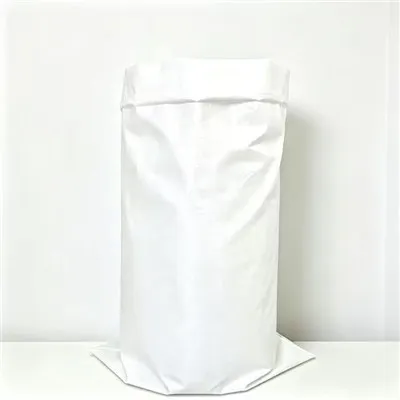
Traditional Sandbags: The Classic Choice
The most well – known type of flood control sandbag is the traditional variety, usually made from burlap. Burlap is a coarse, woven fabric typically composed of jute, a long, soft, and shiny vegetable fiber harvested from plants in the genus Corchorus.
Jute is an ideal material for sandbags due to its natural properties. It is strong and durable, able to withstand the weight of sand and the pressure exerted by floodwaters. The porous nature of burlap allows water to slowly seep through while retaining the sand inside. This permeability is crucial as it helps to prevent the build – up of hydrostatic pressure behind the sandbag wall, which could otherwise cause the wall to collapse.
One of the significant advantages of burlap sandbags is their environmental friendliness. Jute is a renewable resource, and it decomposes naturally over time. This means that after a flood event, if the sandbags are left in place, they will not contribute to long – term environmental pollution.
Burlap sandbags are also relatively inexpensive to produce, making them an accessible option for both individuals and municipalities. They are easy to fill, stack, and transport, which is why they have been used for flood control for generations. However, they do have some limitations. Burlap is prone to rotting when exposed to moisture for extended periods. Once the fabric starts to rot, its strength is compromised, and the sandbag may lose its effectiveness.
Polypropylene Sandbags: The Modern Alternative
In recent decades, polypropylene sandbags have emerged as a popular alternative to traditional burlap sandbags. Polypropylene is a thermoplastic polymer, which means it can be melted and reshaped multiple times.
Polypropylene sandbags are made from woven polypropylene fabric. This material offers several key advantages over burlap. Firstly, it is highly resistant to rot, mildew, and UV radiation. This makes polypropylene sandbags suitable for long – term outdoor use, even in harsh environmental conditions.
The strength of polypropylene is another significant benefit. It can hold a large amount of sand without tearing, and it can withstand the abrasive forces exerted by floodwaters and the movement of debris. Polypropylene sandbags also have a longer lifespan compared to burlap sandbags. They can be reused multiple times, which can result in cost savings over the long run.
The non – porous nature of polypropylene fabric provides a more effective barrier against water than burlap. This means that less water seeps through the sandbag, reducing the amount of wet sand and potentially improving the stability of the sandbag wall.
However, polypropylene sandbags are not without their drawbacks. Unlike burlap, polypropylene is a synthetic material and is not biodegradable. This can be a concern from an environmental perspective, as discarded polypropylene sandbags can persist in the environment for a long time. Additionally, polypropylene sandbags can be more expensive than their burlap counterparts, especially when purchasing in small quantities.
Tube Sandbags: A Specialized Design
Tube sandbags, also known as flood tubes or giant sandbags, are a specific type of flood control device. They are typically made of either woven polypropylene or heavy – duty nylon.
Woven polypropylene tube sandbags offer the same advantages as standard polypropylene sandbags, such as rot resistance, strength, and durability. They are often used for larger – scale flood control projects, such as protecting riverbanks, industrial sites, or large commercial buildings.
Nylon is also a popular choice for tube sandbags. It has excellent abrasion resistance and high tensile strength, making it suitable for use in areas where there is a high risk of damage from debris or rough terrain. Nylon tube sandbags are flexible and can conform to irregular surfaces, providing a more versatile flood – control solution.
Tube sandbags are designed to be filled with sand, gravel, or soil, and they can be connected end – to – end to create a continuous barrier. Their large size and capacity make them highly effective at blocking and diverting floodwaters, but they require more equipment and manpower to fill and install compared to traditional sandbags.
Geotextile Sandbags: Engineered for Efficiency
Geotextile sandbags are a type of advanced flood control sandbag made from a special class of materials called geotextiles. Geotextiles are permeable fabrics that can filter, separate, reinforce, protect, or drain soil.
There are different types of geotextiles used in sandbags, including non – woven and woven geotextiles. Non – woven geotextiles are made by bonding or entangling fibers together, while woven geotextiles are created by interlacing fibers in a regular pattern.
Geotextile sandbags offer several unique benefits. They have excellent filtration properties, allowing water to pass through while retaining fine particles of soil and sand. This helps to prevent soil erosion and maintain the integrity of the sandbag wall.
Geotextiles are also extremely durable and resistant to chemical and biological degradation. They can withstand a wide range of environmental conditions, including exposure to saltwater, making them suitable for coastal flood control applications.
These sandbags are often designed to be more compact and easier to handle than traditional sandbags. They can be filled with less effort and can be stacked more efficiently, which saves time and labor during flood response operations.
Selecting the Right Sandbag Material
As a flood control sandbag supplier, I understand that choosing the right material depends on several factors. The nature and severity of the flood risk are crucial considerations. For short – term, minor flood events, traditional burlap sandbags may be sufficient and cost – effective. However, for long – term flood protection or areas prone to frequent flooding, polypropylene, tube, or geotextile sandbags may be a better choice.
The environmental conditions in the area also play a role. In areas with high humidity or exposure to saltwater, materials that are resistant to rot and corrosion, such as polypropylene or geotextiles, are preferred.
Cost is another important factor. While burlap sandbags are generally the cheapest option, the long – term cost savings from using reusable materials like polypropylene or geotextile sandbags may outweigh the initial investment.
Conclusion
Flood control sandbags are available in a variety of materials, each with its own unique properties and advantages. Whether it’s the classic burlap, the modern polypropylene, the specialized tube sandbags, or the engineered geotextiles, there is a sandbag solution for every flood – control need.
As a trusted flood control sandbag supplier, I am committed to providing high – quality products that meet the diverse requirements of my customers. Whether you are a homeowner looking to protect your property from a potential flood, a municipality planning for large – scale flood response, or an industrial facility in need of reliable flood control measures, I have the expertise and the range of products to help you.
Chemical Woven Bags If you are interested in purchasing flood control sandbags or would like to discuss your specific flood – prevention needs, please feel free to reach out. I am more than happy to provide you with detailed product information, offer expert advice, and assist you in finding the best sandbag solution for your situation. Don’t wait until the next flood hits; take proactive steps to protect what matters most with our reliable flood control sandbags.
References
- Environmental Protection Agency. (n.d.). Flooding and Stormwater.
- National Oceanic and Atmospheric Administration. (n.d.). Flood Basics.
- ASTM International. (Standards related to flood control materials)
Liaoning Xunlian Packaging Products Co., Ltd.
Liaoning Xunlian Packaging Products Co., Ltd. is one of the most professional flood control sandbags manufacturers and suppliers in China, featured by quality products and good service. Welcome to wholesale CE approved flood control sandbags made in China here and get quotation from our factory. Customized orders are welcome.
Address: Chaoyang Industrial Park, Kangping, Shenyang, Liaoning, China.
E-mail: info@xunlianpack.com
WebSite: https://www.xunlianpack.com/
