How does a rubber safety edge work?
As a provider of rubber safety edges, I often get asked about how these seemingly simple yet incredibly useful products work. In this blog post, I’ll delve into the mechanics, materials, and applications of rubber safety edges, shedding light on their functionality and the value they bring to various settings. Rubber Safety Edge
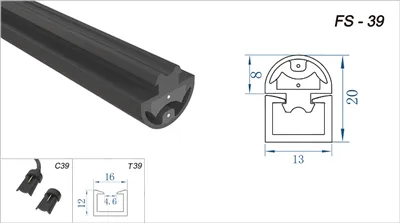
Understanding the Basics: What is a Rubber Safety Edge?
A rubber safety edge is a flexible strip made primarily of rubber, designed to be installed on the edges of various objects and surfaces. These edges serve multiple purposes, including protecting people from sharp edges, preventing damage to equipment, and enhancing the overall safety of an environment. They come in a variety of shapes, sizes, and colors to suit different applications and aesthetic preferences.
The Mechanics of Protection
At its core, the functionality of a rubber safety edge lies in its ability to absorb and distribute impact. When a person or an object comes into contact with a sharp or hard edge, the rubber safety edge acts as a buffer, reducing the force of the impact. This is achieved through the material’s inherent elasticity. Rubber is a highly elastic material, which means it can deform under pressure and then return to its original shape. When an impact occurs, the rubber compresses, absorbing the energy and spreading it over a larger area. This reduces the stress on any single point, minimizing the risk of injury or damage.
For example, in a commercial kitchen, the sharp edges of countertops and equipment can pose a significant hazard to workers. By installing a rubber safety edge, the risk of cuts and bruises is greatly reduced. If a worker accidentally bumps into the edge, the rubber will compress, absorbing the impact and preventing the sharp edge from causing injury.
Material Science Behind Rubber Safety Edges
The effectiveness of a rubber safety edge is largely determined by the quality of the rubber used. Different types of rubber have different properties, and the choice of material depends on the specific requirements of the application. Natural rubber, for instance, is known for its high elasticity and excellent tear resistance. It is a great choice for applications where the safety edge will be subjected to repeated impacts or abrasion.
Synthetic rubbers, such as neoprene and EPDM, offer additional advantages. Neoprene is resistant to oil, chemicals, and UV radiation, making it suitable for outdoor applications or environments where exposure to these elements is a concern. EPDM, on the other hand, has excellent weather resistance and is often used in marine and automotive applications. It can withstand extreme temperatures, from freezing cold to scorching heat, without losing its flexibility or durability.
In addition to the type of rubber, the formulation of the rubber compound also plays a crucial role. Additives can be incorporated into the rubber to enhance specific properties. For example, flame retardants can be added to make the safety edge suitable for use in areas where fire safety is a concern. Anti-microbial agents can be used to inhibit the growth of bacteria and fungi, making the safety edge more hygienic for use in food processing or healthcare facilities.
Installation and Adaptability
One of the key advantages of rubber safety edges is their ease of installation. They can be easily cut to the desired length using a sharp knife or scissors, allowing for a customized fit. Most rubber safety edges come with an adhesive backing, which makes it simple to attach them to the edge of a surface. In some cases, mechanical fasteners such as screws or clips may be used for a more secure installation, especially in applications where the safety edge will be subjected to high stress or vibration.
Rubber safety edges are also highly adaptable. They can be used on a wide range of surfaces, including metal, wood, plastic, and glass. Whether it’s a sharp corner on a furniture piece, the edge of a machine tool, or the railing of a staircase, a rubber safety edge can be installed to provide protection. They can also be used in both indoor and outdoor settings, thanks to the wide range of materials available that offer different levels of durability and weather resistance.
Applications Across Industries
The versatility of rubber safety edges makes them suitable for a wide variety of industries. In the manufacturing sector, rubber safety edges are used to protect workers from the sharp edges of machinery and equipment. They can also prevent damage to products during handling and transportation. In the construction industry, safety edges are installed on staircases, balconies, and handrails to reduce the risk of falls and injuries.
In the healthcare industry, rubber safety edges are used in hospitals, clinics, and nursing homes to create a safe environment for patients and staff. They can be installed on the edges of beds, chairs, and medical equipment to prevent injuries from collisions. In the education sector, safety edges are commonly found in schools and universities, on desks, tables, and playground equipment, protecting students from accidental bumps and cuts.
The Role of Rubber Safety Edges in Risk Management
From a risk management perspective, rubber safety edges are an essential tool for minimizing liability. By installing these edges, businesses and organizations can demonstrate their commitment to providing a safe environment for employees, customers, and visitors. In the event of an accident, having rubber safety edges in place can significantly reduce the severity of injuries, which in turn can reduce the potential for costly lawsuits and insurance claims.
Moreover, the use of rubber safety edges can contribute to a positive safety culture within an organization. When employees see that their employer is taking proactive steps to protect them, it can boost morale and increase productivity. It also sends a message to customers and partners that the organization values safety and is committed to providing a high-quality experience.
Conclusion and Call to Action
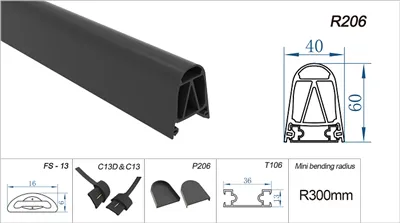
In conclusion, rubber safety edges are simple yet powerful tools that offer a cost-effective solution for protecting people and property. Through their ability to absorb and distribute impact, combined with the versatility of materials and ease of installation, they are suitable for a wide range of applications across various industries.
Sensor Processor If you’re interested in learning more about our rubber safety edges or discussing your specific needs, I encourage you to reach out. Our team of experts is ready to help you find the right solution for your safety requirements. We offer a wide range of products, all manufactured to the highest quality standards. Whether you need a standard safety edge or a custom-made solution, we can provide you with the best options. Don’t compromise on safety – contact us today to start the conversation about how our rubber safety edges can benefit your business.
References
- Smith, J. (2020). The Science of Rubber Materials. Publishing House.
- Johnson, A. (2019). Industrial Safety and Risk Management. Education Press.
- Williams, B. (2018). Applications of Rubber in Different Industries. Journal of Material Applications.
Ningbo Futai Safety Edge Technology Co., Ltd.
Ningbo Futai Safety Edge Technology Co., Ltd. is one of the most professional rubber safety edge manufacturers and suppliers in China, also supports customized service. Please feel free to buy advanced rubber safety edge in stock here from our factory. Contact us for free sample and discount information.
Address: No. 1116, Beihuan West Road, Jiangbei District, Ningbo City, Zhejiang Province
E-mail: info@safety-edge.com
WebSite: https://www.safety-edge.com/
