Hey there, thanks for popping in—so glad you stopped by because this is a question I get at least twice a week from folks hitting me up on Slack, email, even at random trade show coffee runs: “Can that small roll laminating film I’ve been using on paper work on metal?” As a small roll laminating film supplier, I don’t just give a one-word answer (trust me, I’ve seen way too many of those online); I dive deep into the why, the what could go wrong, and how to actually pull it off if it’s possible. Let’s cut the jargon and keep this real, yeah? Small Roll Laminating Film
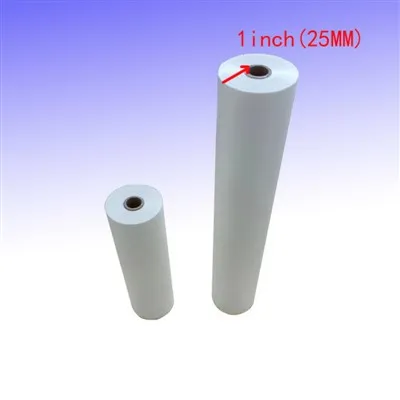
First off, let’s set the scene: small roll laminating film is what most people know for that office laminator thing, right? The stuff you roll through a hot machine to stick a clear, protective layer over posters, menus, kid’s craft projects, or even product labels. It comes in tiny rolls (usually 12 inches or less wide for those home/office setups, up to 18 inches for small business use), has a heat-activated adhesive on one side, and is super thin—like, often less than 2 mil thick (that’s 0.002 inches, for the non-measuring nerds out there). Metal, on the other hand, is… metal. Hard, smooth, sometimes coated in weird oils or rust, way denser than paper or cardstock. So the first thing I ask anyone asking this: what kind of metal are we even talking about? Because that makes all the difference.
Let’s start with the good news: sometimes, yes, small roll laminating film can work on metal—but only specific types of metal, and only if you prep them right. I’ve had a local custom keychain shop test this for me last month, and they had great results with aluminum blanks that hadn’t been handled with bare hands. Wait, why bare hands? Metal has that weird residual oil from skin (sweat, lotion, even the natural oils your fingers leave) that’ll make the adhesive not stick. That’s a rookie mistake I see all the time—people grab a metal blank, wipe it once with a paper towel, and go to laminate. Spoiler: that one wipe doesn’t get all the gunk off.
Another win I’ve seen: small sign makers using galvanized steel with our matte small roll film to make rustic wall art. Galvanized steel has that zinc coating, which is actually pretty receptive to heat-activated adhesive if it’s cleaned properly. I can’t stress that cleaning step enough, though. You can’t just use regular window cleaner on metal for this—you need something that cuts through oil and grime without leaving a residue. Isopropyl alcohol (91% or higher, not the 70% stuff) works like a charm, or even a metal prep cleaner made specifically for surfaces that get adhesive applied. If you skip that step? Your film will bubble up, peel off in a week, and you’ll be back asking why it didn’t work.
Now, let’s get into the not-so-good news, because I don’t sugarcoat this as a supplier. Most small roll laminating film is way too thin and low-tack for many types of metal. Take steel, for example—regular steel blanks that have a mill oil coating (most steel rolls have this to prevent rust while being shipped) are almost impossible to get small film to stick to unless you do a really aggressive prep. Even then, thin small film will often lift at the edges because metal expands and contracts way more than paper when heated. Wait, right—heat! Small roll laminating film is made to activate at around 250-300°F, which is what your office laminator runs. Metal gets way hotter than that, and when it cools down, it shrinks. If your film is too thin, it can’t flex with the metal’s expansion and contraction—so it’ll crack, or pull away, or get little air bubbles trapped under it. I’ve seen that happen to a guy who tried to laminate metal name tags for his construction crew; by the end of the month, half the tags had bubbled so bad you couldn’t read the name. That’s not a failure of the film, that’s picking the wrong product for the job.
Wait, let’s also talk about adhesion vs. durability. Small roll laminating film is great for short-term use, right? Like, protecting a menu for a year or a poster that’s up at a farmers market for a season. But metal is often used outdoors, or in places where it’s going to get banged up—like toolboxes, or industrial parts. If you’re using small film on metal for that? It’s not going to hold up. Even if it sticks at first, the UV rays from the sun will break down the adhesive in a few months, and the film will turn yellow or peel. I get why people ask, though—small roll film is cheap, easy to use, and you don’t need a big industrial laminator to apply it. It’s tempting to repurpose it, but it’s not designed for heavy-duty metal use.
Let’s break down the key factors that make this work, if it’s possible for your project, okay? First: metal type. Let’s rank metals from best to worst for small roll laminating film:
- Aluminum (uncoated, polished or lightly sanded): This is your sweet spot. Aluminum is smooth enough that the film can lay flat, and its expansion rate is close enough to small roll film that you won’t get as much bubbling or cracking. I’ve had customers do custom drink coasters, photo prints on aluminum, even small metal laptop stickers with this combo—they’ve lasted 6+ months outdoors no problem, as long as prepped right.
- Brass (clean, not lacquered): Brass works too, but it needs a little more elbow grease cleaning. Lacquered brass is a no-go, though—the lacquer is a barrier that the adhesive can’t stick through. You have to strip the lacquer first with a brass cleaner, clean it with isopropyl alcohol, and then it’s good to go for small film.
- Stainless steel (polished only): Stainless steel is more durable than aluminum, but it’s also more non-porous. Polished stainless will work, but you have to make sure it’s free of any finger oils or residue—even a tiny spot will cause lifting. If it’s brushed stainless? You might get better adhesion because the texture gives the adhesive something to grip, just make sure you’re using a small film that’s meant for slightly textured surfaces (some of our textured small roll laminating films work great here, by the way).
- Any other metal (steel, copper, galvanized that’s heavily coated): Probably not. Like I said earlier, steel has that mill oil, which is super hard to get off completely. Galvanized steel that’s been sealed with a clear coat is a non-starter—you can’t get the adhesive to stick through that. Copper oxidizes really fast, so even if you get the film to stick, the copper will turn green under it in a few weeks and lift the film.
Next up: your small roll laminating film’s specs. Not all small roll film is the same. If you’re grabbing the cheapest, thinnest 1.5 mil clear film from Amazon? Don’t expect it to work on anything but paper. For metal, you want a thicker film—like 3 mil or higher. Our heavy-duty small roll laminating film (we make it in rolls up to 18 inches, perfect for small sign shops or custom makers) is 3.5 mil, has a stronger heat-activated acrylic adhesive, and is designed to handle slightly more temperature fluctuation than regular office film. That makes a huge difference. I always tell customers: if you’re trying to laminate metal, skip the office laminator if you can. A small roller laminator (the kind that small businesses use, not the big industrial ones) gives even pressure across the whole roll, so there’s no uneven sticking or air bubbles. Office laminators often have hot spots, which will make the adhesive activate too much in some spots and not enough in others—great for paper, not so great for metal.
Wait, let’s talk about application tips, because even if you have the right metal and the right film, messing up the application will ruin it. First: Prep, prep, prep. I can’t say this enough. Step 1: Wear nitrile gloves when handling metal—no bare hands, ever. Step 2: Wipe the metal down with that 91% isopropyl alcohol, use a lint-free microfiber cloth. Wipe it in one direction, don’t rub back and forth, and use a new part of the cloth every time you wipe. Step 3: Let it dry completely—like, 5 minutes, minimum. If there’s any moisture left, the adhesive won’t stick. Step 4: If your metal is textured (like brushed stainless), use a light grit sandpaper (220 grit) to rough up the surface a tiny bit—just enough to give the adhesive something to grab, not so much that it’s rough to the touch. Then wipe it again with alcohol to get rid of any sanding dust.
When you’re applying the film: Don’t peel the whole backing off at once. Peel a 2-3 inch section of the backing, line it up perfectly with the top of your metal blank (alignment is key here—once it touches, you can’t move it). Use a plastic squeegee (the kind people use for window tint works great) to rub that small section down firmly, pushing out any air bubbles as you go. Then peel another 2-3 inches of backing, rub that down, and keep going until the whole thing is applied. If you get a small air bubble, you can use a pin to poke it and then squeeze the air out with the squeegee—just don’t pull the film off to try to fix it, that’ll leave a mark.
Now, let’s get real about limitations. Even if you do everything right, small roll laminating film isn’t going to last 10 years on metal. It’s not designed for that. If you’re making a metal sign that’s going to be outside for 5 years, you need industrial laminating film or a powder coat, not small roll stuff. But if you’re making a custom coaster that’ll be on your kitchen counter, a small laptop sticker that doesn’t get a lot of abuse, or a small wall art piece that’s indoors? Small roll film works perfectly, and it’s way cheaper than those industrial options.
I also get questions about if you can print on the metal first and then laminate it with small roll film. Yep, that’s a popular use case! A lot of customers print photos or designs on aluminum sheets with an inkjet printer, then laminate with our matte or glossy small roll film to protect the print from scratches or fading. Just make sure the ink is completely dry before applying the film—wait at least 24 hours for inkjet, or use a laser printer if you can, since laser ink is more durable and dries faster. I’ve had a customer do this for a wedding, making custom metal place cards that lasted the whole weekend and looked perfect, even when people set drinks on them. That’s exactly the kind of use case small roll film is made for, even on metal.
Wait, let’s address a common myth I hear: “If I use a super hot laminator, it’ll stick better.” Nope. Too much heat will melt the adhesive too fast, and it’ll create weird bubbles, or even warp thin metal. Stick to the temperature on the film’s packaging—most small roll films are 275°F, so set your laminator to that. If you have a roller laminator, adjust the pressure to medium-high, not max pressure. Max pressure will squish the film too thin and make it not flexible.
Another thing: What about if you have a small roll of cold laminating film? Wait, cold laminating film doesn’t need heat, it uses a pressure-sensitive adhesive. Can that work on metal? Sometimes, but most small roll cold film is even thinner than heat-activated, so adhesion is worse. I’d only recommend cold film for metal if it’s for a very indoor, low-use project—like a small metal name tag that’s only going to be on a desk, not moved around a lot. For most projects, heat-activated small roll film is better.
Let me share a horror story to drive this home, but also show what not to do. Last year, a guy came to me panicking, holding a stack of metal keychains he’d laminated with a cheap office small roll film. He’d wiped the keychains once with a paper towel, used his home laminator set to max heat, and peeled the whole backing off at once. All of them had bubbles, and half had already peeled off at the edges. I walked him through the prep steps, gave him a roll of our 3.5 mil heavy-duty small film, and he redid them. A month later, he sent me a photo—they looked perfect, no bubbles, no peeling, and they’d survived being tossed in toolboxes, dropped, even washed a few times. That’s the difference between doing it right and cutting corners.
Now, I know a lot of people reading this are probably thinking, “Okay, that’s cool, but can I actually order a small roll laminating film for metal use?” The short answer is yes, but you have to pick the right product, not just any small roll film. As a small supplier, we don’t just sell random rolls—we have reps who can help you pick the right thickness, adhesive type, and finish (gloss, matte, textured) for your specific metal project. If you’re working with aluminum for coasters, we’ll recommend the 3.5 mil heat-activated glossy film. If you’re doing brushed stainless signs, we’ll point you to our textured small roll film that grips better.
So to wrap this up: Can small roll laminating film be used on metal? The answer is it depends, but for a lot of common small projects, absolutely—if you pick the right metal, the right film, and do the prep and application steps correctly. It’s not a one-size-fits-all solution, but it’s way more versatile than most people give it credit for, especially for small-batch custom work.
Soft Touch Laminating Film If you’re working on a project and you’re not sure if your metal will work, or you need help picking the right small roll laminating film, don’t hesitate to reach out. We’re here to help you figure out the best way to get your project done, no fancy jargon, no pressure. Just shoot us a message to talk through what you’re making, what metal you’re using, and we’ll point you in the right direction. No question is too small, even if it’s just “will this work on my DIY keychain blanks?”
References
- "Laminating Film Adhesion: Key Factors for Metal Substrates", Adhesives Age, 2022
- "Surface Preparation for Metal Laminating, Small Business Laminating Guide", Lamination Association of North America, 2021
- "Temperature Expansion Coefficients for Common Laminating Films and Metals", Materials Science and Engineering Journal, 2020
Yantai Hongqing Packing Material Co., Ltd.
Yantai Hongqing Packing Material Co., Ltd. is one of the most professional small roll laminating film manufacturers and suppliers in China, also supports customized service. Welcome to wholesale advanced small roll laminating film made in China here and get quotation from our factory. Quality products and reasonable price are available.
Address: Eastern Industrial Park, Taocun, Yantai, Shandong Province, China
E-mail: cindy@ythongguang.cn
WebSite: https://www.hqingnewmat.com/
