As a bronze animal statue supplier, I’ve spent the last 12 years helping homeowners, landscape architects, and gallery owners mount hundreds of these heavy, intricate pieces safely—from a life-size bronze fox for a suburban estate entrance to a small bronze sparrow for a city apartment wall. Too often, I see people skip critical steps or cut corners because they think wall-mounting a bronze is just “hanging a heavy picture,” but bronze statues aren’t photos: they can weigh 20 pounds for a small garden bird, or 150+ pounds for a medium-sized wolf, and their irregular shape means standard picture hooks won’t cut it. Below, I’ll walk through the step-by-step process I’ve refined over years, plus the tricks we share with every customer who buys a wall-mounted bronze animal statue from us. Bronze Animal Statue
First, let’s get one non-negotiable rule out of the way: never skip material prep. Bronze is durable, but if you’re mounting it indoors or in a sheltered outdoor space (like a covered porch, not direct rain or snow), the wall it attaches to matters most. We always tell customers to start by identifying their wall type—this is the foundation of a safe mount, not something to rush. Drywall is the most common for interior spaces, but it’s also the weakest; a 50-pound bronze on standard ½-inch drywall over studs that are spaced 24 inches apart could pull free if you use the wrong anchor. For solid surfaces like concrete, brick, or cinder block, that’s sturdier, but the rough texture means you need to account for how anchors seat into those pores. Before touching any tools, take a minute to test the wall: if you tap it with a hammer (gently!), a solid thud means it’s behind studs or masonry, while a hollow knock is drywall or lath—adjust your hardware choice accordingly.
Next, the most important part that most first-time buyers miss: weighing your specific statue, not guessing. We include a sticker on every wall-mounted bronze animal statue we ship that lists its exact weight, but if you lose that (or for custom pieces), use a luggage scale: hang the statue from a hook, pull the scale tight, and you’ll get an accurate number in seconds. This isn’t overkill: for statuary under 25 pounds, a heavy-duty toggle bolt works for drywall, but for anything over that, you need to anchor directly to a wall stud—there’s no way around it, even if toggle bolts have a reputation for holding more. Studs are usually spaced 16 or 24 inches apart across most North American and European homes; use a stud finder (I recommend the inexpensive magnetic ones if you’re on a budget, though electronic ones work too) to mark their centers clearly. If your statue’s mounting points don’t line up with a stud, hold off on drilling—we can help you source a reinforced stud extender or, for very heavy pieces, a masonry anchor kit if you’re working with concrete walls, instead of making a mistake like drywall anchors that will fail over time.
Once you’ve got your wall mapped, it’s time to prep the statue’s mounting points. Every wall-mounted bronze animal statue we produce has two built-in mounting brackets—no exceptions, because a single bracket means all the weight pulls in one direction, which can warp the statue or pull the wall away. These brackets are usually recessed into the bronze’s base, designed to stay hidden once mounted, but sometimes they’re exposed on smaller pieces like bronze hummingbirds. Before attaching anything, you need to prep the back of the statue to ensure a tight, secure bond with the wall—wait, no, first: clean the mounting brackets and the area where you’ll attach them. Oil, dust, or leftover wax from the bronze casting process is common, and even a small bit can prevent your mounting hardware from sitting flush. I always use rubbing alcohol and a lint-free microfiber cloth to wipe both the statue’s brackets and the wall where the brackets will sit—this takes 30 seconds and eliminates 90% of fit issues I’ve seen over the years. If your statue has any small holes or gaps in the mounting area (common in custom pieces), a tiny bit of bronze-safe epoxy (not regular household glue!) can fill those, just make sure it’s fully cured before moving on—usually 24 hours, per the epoxy’s instructions.
Now, layout and measurement: this is where people mess up the most, resulting in a crooked statue that looks unprofessional, even if it’s securely mounted. I always start with a level, a tape measure, and masking tape—masking tape is your friend here, because it lets you mark placement without leaving permanent residue. First, decide on the height: for indoor spaces, eye level is usually 57 to 60 inches from the floor to the bottom of the statue, which is the standard for art viewing. For outdoor spaces like a covered patio, you might want it higher so it doesn’t get bumped by people walking by, or lower for a conversation nook where it’s a whimsical detail. Once you’ve picked your height, hold the statue up to the wall (have a friend help if it’s over 30 pounds—don’t risk dropping or straining yourself) and use masking tape to mark the exact spots where each mounting bracket will sit. Then, take a step back and look at it from 10 feet away: does it look centered on the wall? Is it straight? Even small shifts (like a bracket ¼ inch off) will look obvious once the statue is up, so adjust the masking tape as needed before drilling. Also, mark the screw holes on the wall through the bracket’s holes—this is your final guide before you drill, so double-check the level one more time here.
Drilling time: use the right bit for your wall and your hardware. For drywall (with or without stud access), a 7/32-inch drill bit for toggle bolts works well; for masonry (concrete or brick), a carbide-tipped masonry bit is non-negotiable—regular drill bits will skid or break, leaving ugly marks and no clean hole. Drill slowly, don’t push too hard, and if you’re drilling into a stud, stop once you feel the bit hit wood (that’s your stud center, so you can adjust your hole mark if needed). Once your holes are drilled, clean out any dust or debris with a small brush—drywall dust is fine, but masonry dust can get in the way of your anchor seating correctly, so a quick wipe with a damp cloth and letting it fully dry is key.
Attaching the anchors and mounting the statue: here’s where the hardware choice we talked about earlier pays off. For drywall-mounted statues under 50 pounds, use heavy-duty toggle bolts: thread the toggle bolt through the bracket’s hole, fold the toggle wings flat, and push it through the drilled wall hole. Once it’s through, the wings will spring open behind the drywall—tighten the bolt until it’s snug, but don’t over-tighten, because that can crack the drywall or warp the bronze’s bracket. For statues over 50 pounds, or if your bracket holes line up with a stud, use a lag bolt: a 3-inch lag bolt is ideal for studs, because it’s long enough to go through the bracket, the drywall, and at least 1.5 inches into the stud, which ensures it holds all the weight. For masonry walls, use a lead expansion anchor: insert the anchor into the drilled hole, tap it lightly with a hammer to seat it, then screw the bracket into the anchor with a matching screw. Once both brackets are secured, give the statue a gentle tug side to side and up and down—if it moves at all, something’s loose, and you’ll need to check your hardware. If it’s solid, that’s the moment you step back and admire your work.
Wait a second—what about outdoor vs. indoor considerations? That’s a big one I didn’t touch on earlier, because bronze animal statues are popular for both, and the mounting process changes a little. If you’re mounting outdoors, we always recommend adding a small bead of silicone caulk around the base of each bracket where it meets the wall. This keeps moisture (rain, snow, humidity) from seeping into the gap between the bronze and the wall, which can cause rust or corrosion on the hardware over time. For indoor spaces, silicone caulk is optional, but it’s a good trick if you want to stop dust from getting into the gap between the statue and wall, making clean-up easier. Also, for outdoor mounts, make sure your statue is rated for exterior use—we label every exterior bronze animal statue we sell with a “weather-resistant” mark, meaning it’s been treated to resist tarnish, so the only extra step is the silicone caulk.
I’ve had customers tell me they tried to mount their bronze animal statue with double-sided tape or picture hooks, and it fell off within a month. That’s never a risk with the process I’ve walked you through, because every step is tailored to the unique weight and shape of a bronze statue, which is far more fragile and heavy than a standard framed picture. As a bronze animal statue supplier, we stand behind every piece we sell, which is why we include a free mounting guide with every wall-mounted order, plus a free 15-minute video call with one of our installation specialists if you run into trouble. We’ve heard too many horror stories: a customer in Chicago tried mounting a bronze deer over their fireplace with drywall anchors, and it came crashing down when their kid leaned on the wall, luckily no one was hurt—but the statue’s antlers were damaged beyond repair. We want to help you avoid that, because these statues aren’t just decor; they’re heirlooms, often commissioned to commemorate a pet, a hunting trophy, or a family vacation, so mounting them correctly is the first step to keeping them beautiful for decades.
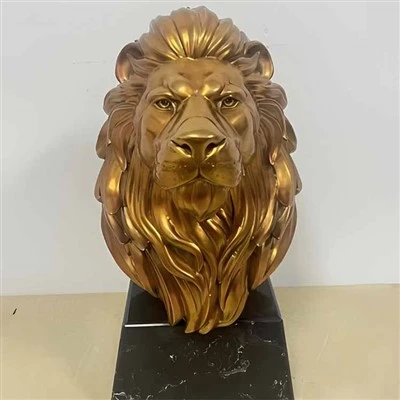
If you’re thinking about adding a bronze animal statue to your wall, or if you already have one and need help with mounting, don’t hesitate to reach out to our team. We work with homeowners, interior designers, and commercial property managers, and we can help you choose the right statue for your space, walk you through the mounting process step-by-step, or even coordinate professional installation if you prefer. Whether you’re mounting a tiny bronze sparrow in your entryway or a medium-sized wolf on your cabin wall, we make sure your statue is secure, looks great, and lasts for generations.
Bronze Replicas Of Famous People For more information on bronze statue care and installation, reference these industry resources: National Sculpture Society, Outdoor Sculpture Installation Guidelines, American Institute of Architects Residential Construction Standards, Bronze Foundry Association Finishing and Mounting Best Practices.
Huizhou Hexin Intelligent Manufacturing Industrial Co., Ltd.
Huizhou Hexin Intelligent Manufacturing Industrial Co., Ltd. is one of the most professional bronze animal statue manufacturers and suppliers in China. Please feel free to buy the newest bronze animal statue made in China here and get pricelist from our factory. All customized products are with high quality and competitive price.
Address: No.31, Second Industrial Zone, Nankeng Village, Xinxu Town, Huiyang District, Huizhou City, Guangdong Province, P.R.China
E-mail: zhangran@bronzehexin.com
WebSite: https://www.bronzehexin.com/
