If you’ve ever lit a candle in your home, office, or favorite local café, chances are it held a fragrance oil—either from our stock or a product we supply. For years, customers have asked me the same question: “Are fragrance oils safe for candles?” As someone who’s spent a decade sourcing, testing, and distributing high-quality fragrance oils for the candle industry, I get it. Scrolling through social media lately, you’ll see a lot of conflicting info: some blogs claim fragrance oils are a ticking time bomb, while others say they’re totally harmless. The truth is, safety isn’t a yes-or-no answer—it’s rooted in how we make, test, and use these products, and that’s the context I want to share with you today. Fragrance Oil
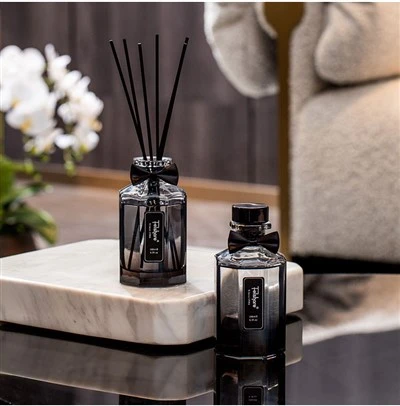
Let’s start with the basics: what, exactly, is a fragrance oil for candles? Unlike essential oils, which are distilled from flowers, bark, or plants, candle fragrance oils are a blend of synthetic compounds and natural extracts crafted specifically to mimic specific scents—think vanilla bean, fresh linen, or even a warm campfire. These blends are designed to be stable in wax, release evenly when heated, and avoid discoloring or damaging candle vessels. But safety depends entirely on the quality of those blends, and that’s where many off-the-shelf products fall short.
I’ve seen too many small candle makers cut corners to keep costs low: sourcing untested fragrance oils from overseas suppliers that skip basic safety protocols. That’s where the confusion starts. For example, cheaper fragrance oils might contain phthalates, a group of compounds once commonly used to soften plastics. While phthalates have been banned from children’s toys and cosmetics in many countries, some low-grade fragrance oils still use trace amounts that haven’t been evaluated for candle use. The problem? When you burn a candle with those oils, the heat breaks down the compounds, releasing volatile organic compounds (VOCs) into the air. But here’s the key: not all VOCs are bad. Fruits, vegetables, and even essential oils release VOCs when heated or ripened. It’s the type and amount that matter.
That’s why, as a supplier, every fragrance oil we sell goes through a rigorous series of safety tests before it ever hits our shelves. First, we test for compliance with the International Fragrance Association (IFRA) standards—these are the global gold standard for fragrance safety, updated regularly to reflect new research. IFRA sets strict limits on over 3,000 fragrance ingredients, banning or restricting any that could pose a risk when used as intended in candles. We also conduct independent third-party testing for skin irritation, inhalation safety, and trace contaminants. For example, our vanilla fragrance oil is tested to ensure it doesn’t exceed the IFRA limit for vanillin, a key component of vanilla scent, which can cause mild skin sensitivity in high concentrations. For our citrus blends, we verify that they don’t contain limonene in amounts that could react with air to form harmful compounds when burned for long periods.
It’s also important to distinguish between fragrance oil safety when used in candles versus other products. When fragrance oils are made for candles, they’re formulated to be heat-stable—meaning they won’t break down into toxic compounds when exposed to a flame. Fragrance oils made for perfumes or air fresheners, by contrast, might not have that heat stability, so burning them in a candle can release unintended, harmful byproducts. That’s a mistake we see new candle makers make all the time: using perfume oils instead of candle-specific fragrance oils, and ending up with a product that’s not only less effective but potentially unsafe.
Another common question: do candle fragrance oils contribute to poor air quality? A 2021 study by the Indoor Air Quality Association found that when candles are burned as directed (in well-ventilated rooms, not left unattended), the number of VOCs released is comparable to those from cooking a meal or even breathing. The study specifically noted that candles made with IFRA-compliant fragrance oils release fewer hazardous VOCs than untested, low-grade alternatives. That said, there are still best practices to follow to keep indoor air safe—regardless of the fragrance oil used. Never burn a candle in a closed, unventilated space for more than a few hours at a time, trim the wick to a quarter inch before each burn, and avoid burning candles near fabric or dust, which can catch fire.
I also want to address a myth that’s been circulating lately: that fragrance oils are “chemical” and therefore more dangerous than essential oils. First off, almost everything we interact with daily is chemical—water, salt, even the fruits we eat. The difference is in the safety thresholds. Essential oils, while natural, can also be harmful when burned in excess. Peppermint oil, for example, can cause respiratory irritation in some people when released in high concentrations. Natural doesn’t automatically equal safe, and synthetic fragrance oils, when properly tested and formulated, can be just as safe (if not safer) than essential oils for candle use. Plus, many customers prefer specific scents that are impossible to replicate with essential oils—rich, warm baked goods scents, for example, or long-lasting fresh linen that holds up in large, commercial candles.
As a supplier, we also prioritize transparency, which is something many other companies in the space skip. We provide full ingredient lists for every fragrance oil we sell, so our customers (whether they’re small home-based candle makers or large retail brands) can make informed decisions. We also offer custom formulation services for brands that want a unique scent, and every custom blend goes through the same IFRA and safety testing as our stock products. That’s why so many of our customers have been with us for years—they trust that the fragrance oils we supply aren’t just effective, but safe for their customers and their homes.
Of course, there are groups that should take extra precautions around scented candles, regardless of the fragrance oil quality. People with asthma, allergies, or respiratory conditions might find that even mild scents can trigger symptoms, so opting for unscented candles or testing a small amount of fragrance oil before using it in a large candle is a good idea. The same goes for pregnant people, young children, and pets—always consult a healthcare provider if you have questions about how scented candles might affect your household, and opt for candles with fragrance oils that have been tested for low inhalation risk.
A lot of new candle makers also worry about the cost of safe fragrance oils vs. cheap, untested ones. While it’s true that high-quality, tested fragrance oils cost a bit more upfront, the long-term benefits far outweigh the difference. Cheap fragrance oils can lead to issues like uneven scent throw, candle discoloration, and even customer complaints or safety concerns that can ruin a small business’s reputation. Investing in tested, safe fragrance oils means you’re building a product your customers can trust, and that’s worth every extra dollar.
At the end of the day, the question of whether fragrance oils are safe for candles doesn’t have a one-size-fits-all answer. It depends on the supplier’s testing standards, the formulation’s heat stability, and how the candle is used. For us, safety is non-negotiable—we’ve built our business on supplying fragrance oils that meet the highest global standards, so our customers can create candles that are both beautiful and safe for homes and businesses.
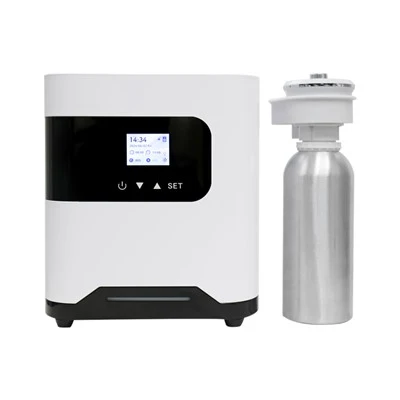
If you’re a candle maker looking for reliable, tested fragrance oils, or you’re just curious about how we can help your next project, we’d love to connect. We’re here to answer your questions, share our safety data, and help you find the perfect scent for your candles. Don’t hesitate to reach out to discuss your needs and learn more about our product offerings.
Car Air Diffuser References
International Fragrance Association (IFRA) Standards and Certifications
Indoor Air Quality Association (IAQA) 2021 Study on Candle Emissions
National Candle Association (NCA) Safety Guidelines for Candle Ingredients
Environmental Protection Agency (EPA) Information on Volatile Organic Compounds in Indoor Air
Hangzhou Felshare Biotechnology Co., Ltd.
As one of the most professional fragrance oil manufacturers and suppliers in China, we also support customized service. We warmly welcome you to wholesale bulk advanced fragrance oil in stock here from our factory. Quality products and reasonable price are available.
Address: 3/F Building 4, No.1672 Nanhuan Road, Binjiang District, Hangzhou, Zhejiang, China
E-mail: sales08@felshare.com
WebSite: https://www.x-felshare.com/
