If you’ve ever run a small textile mill or a business that works with fabrics, you know how critical staple fiber is to your supply chain. I’ve been in the staple fiber game for over 12 years as a supplier, and one question I get asked more than any other is: “Where is staple fiber actually produced?” It’s not a one-size-fits-all answer—there are regional hubs, specific manufacturing setups, and even environmental factors that shape where the best staple fiber comes from. Today, I want to break this down like I would for a fellow textile professional, no corporate jargon, just real-world insight from someone who’s seen the factories, talked to the mill managers, and knows what makes a production site stand out. Staple Fiber
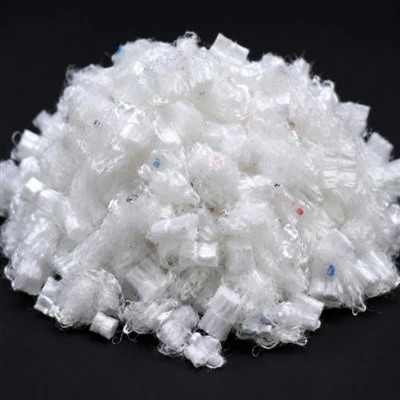
First, let’s start with the basics so we’re all on the same page: staple fiber is short, discrete fibers (usually 1 to 150 millimeters long) that are spun into yarn, then woven or knitted into everything from t-shirts and bed sheets to upholstery and carpet backing. Unlike filament fiber, which is long and continuous, staple fiber mimics natural fibers like cotton or wool, making it versatile for a huge range of products. But where these short fibers are made depends on two big things: the raw materials they use and the end markets they serve.
For me, the most important production regions right now are split between Asia, North America, and Europe—each with their own strengths. Let’s dive into Asia first, because that’s where over 60% of the world’s staple fiber is manufactured, and for good reason. China has long been the global leader here, with over 400 staple fiber production facilities concentrated in the Jiangsu, Zhejiang, and Shandong provinces. When I toured a mill in Suzhou last year, I was struck by how they’ve integrated automation at every step: from polymer extrusion to fiber cutting, even the quality checks are done with high-resolution cameras that spot uneven fibers in milliseconds. The reason China dominates isn’t just labor costs—it’s their access to raw materials: most of their staple fiber is made from recycled plastic (water bottles, industrial scrap) or domestic polyester and polypropylene feedstocks. That’s a big deal right now, because sustainability is no longer a buzzword for textile brands; buyers are demanding fibers with lower carbon footprints, and Chinese mills have scaled up recycling lines that turn plastic waste into high-quality staple for apparel.
India is another rising star in Asia, especially for natural-based staple fibers, like those made from viscose (derived from wood pulp) and cotton blends. Most Indian staple fiber mills are in Gujarat and Maharashtra, close to India’s cotton growing belts—cutting down on transportation costs for raw cotton. I worked with a mill in Ahmedabad last quarter to source 100 tons of cotton-polyester staple for a small apparel brand, and what stood out to me was their focus on rural employment: a lot of their workers are from nearby villages, trained specifically to handle the delicate cotton blend fibers that are common in Indian-made casual wear. India’s sweet spot right now is medium-quality staple for domestic and Southeast Asian markets, but they’ve been investing in high-end lines for export to the US and EU, too.
Now, moving to North America. I know a lot of people assume North American production is more expensive, but there are specific niches where it’s unbeatable. The US is a top producer of virgin polyester and polypropylene staple fiber, mostly in Texas, Georgia, and North Carolina. What makes these mills different is their proximity to major end markets: most of the staple they make goes to textile factories in the southern US, which produce denim, workwear, and home goods. I recently met with a mill manager in Dallas who told me their staple fiber is used in 30% of the work jeans sold in North America—because they can produce the fiber in 72 hours, from raw polymer to finished bale, without waiting for shipments from Asia. That speed is irreplaceable for brands that need to restock quickly, especially for fast-moving fashion lines. Also, North American mills often focus on specialty staple fibers, like flame-resistant or moisture-wicking ones, which require tight quality control that smaller regions can’t always pull off.
Canada is a smaller player, but they specialize in viscose staple made from sustainable wood pulp from Canadian boreal forests. I’ve sourced viscose staple from a mill in Quebec before, and their process is certified by the Forest Stewardship Council (FSC), which is a big selling point for European brands that are strict about deforestation-free materials. It’s a smaller operation, but the quality and traceability are second to none—something a lot of Asian mills can’t match.
Then there’s Europe, which is all about high-quality, sustainable staple fiber. The top production sites are in Germany, Italy, and Belgium. European mills don’t focus on mass volume like Asia; they specialize in premium staple for luxury apparel, technical textiles, and home furnishings. For example, in northern Italy, there’s a mill that makes wool and polyester blend staple for high-end sweater brands—their fibers are so uniform that they reduce yarn breakage during spinning, which saves brands time and money. What’s unique about European production is their strict environmental regulations: every mill has to meet EU carbon emission limits, so their staple fiber has a much lower carbon footprint than many Asian-made options. That’s why I often work with European brands that want to market their products as “locally sourced and sustainable”—the staple from these mills checks both boxes.
But here’s something a lot of people don’t talk about: where staple fiber is produced isn’t just about the region—it’s about the type of fiber. If you need recycled polyester staple for mass-market t-shirts, your go-to is likely an Asian mill. If you need flame-resistant polypropylene for industrial workwear, North America is your best bet. If you need FSC-certified viscose for luxury bedding, you’ll look at Canada or Europe. As a supplier, I’ve learned to match my customers’ needs to the right production site, because pushing a customer to buy a fiber from the wrong region only leads to problems—like delays, quality issues, or extra costs.
Over the past five years, I’ve seen a shift, too. A lot of brands used to source all their staple fiber from one region, but now they’re diversifying to reduce supply chain risks. Remember during the 2021 shipping crisis when ports were backed up? Brands that only worked with Chinese mills waited 6 weeks for shipments, while those that had secondary suppliers in India and the US were able to keep their production lines running. That’s why I’ve built relationships with mills across three continents—so I can offer my customers flexibility, no matter what’s going on in global trade.
Another factor that’s shaping production is sustainability. More and more mills are investing in circular production: using post-consumer plastic, recycling fiber scraps from their own mills, and cutting water use by 30-40%. I recently started working with a mill in Vietnam that turns 5 million plastic water bottles a month into staple fiber, and their process uses 50% less water than traditional methods. This isn’t just a trend; it’s becoming a requirement for brands that want to sell in the EU, which has strict rules about textile waste. So a lot of the new staple fiber production capacity being built right now is focused on recycled and bio-based fibers, mostly in Asia and Europe.
Now, as a supplier, I want to be transparent about what you should look for when choosing a staple fiber producer. First, ask about their raw materials: is the polyester made from virgin plastic or recycled? Is the viscose from FSC-certified wood? Second, check their quality standards: do they have ISO certifications, or third-party testing for fiber strength and uniformity? Third, think about lead times—if you need fiber quickly, a local mill in North America or Europe is better than waiting for a shipment from Asia. And finally, look for a supplier that’s connected to multiple mills, not just one—this gives you backup if there’s a delay or quality issue.
At the end of the day, the question “where is staple fiber produced?” doesn’t have a single answer, but the right production site for your business depends on your specific needs: volume, quality, sustainability, and lead times. For over a decade, I’ve been matching textile businesses like yours to the best staple fiber producers around the world, and I can tell you that the best approach is to work with a supplier who knows the ins and outs of each region, not just a one-size-fits-all option.
Staple Fiber If you’re looking for a reliable staple fiber supplier that can source from trusted mills across Asia, North America, and Europe, and tailor solutions to your unique needs, feel free to reach out for a procurement consultation. We can discuss your volume requirements, sustainability goals, and timeline to find the perfect staple fiber for your next project.
References
- Textile Institute. (2022). Global Staple Fiber Market Report: Production Trends and Regional Analysis.
- Fiber Organon. (2023). Sustainable Staple Fiber Manufacturing: Key Production Hubs and Process Innovations.
- International Trade Administration. (2021). North American Staple Fiber Industry: Supply Chain and Market Dynamics.
- European Textile and Apparel Confederation. (2022). European Staple Fiber Production: Sustainability and Quality Standards.
- China Textile Industry Association. (2023). Report on Chinese Staple Fiber Manufacturing Capacity and Export Trends.
Suzhou Gongsheng Import & Export Co., Ltd.
Suzhou Gongsheng Import & Export Co., Ltd. is one of the most experienced staple fiber manufacturers and suppliers in China. With a professional production team, we are able to provide high quality customized products with low price. We warmly welcome you to wholesale the newest staple fiber made in China here from our factory. If you have any enquiry about pricelist and free sample, please feel free to email us.
Address: Room 1205, Aikang Building, Yangshe Town, Zhangjiagang, Suzhou, Jiangsu, China
E-mail: betsy@x-textile.com
WebSite: https://www.x-textile.com/
