If you’re a pet food brand owner, you know the packaging isn’t just a bag—it’s your brand’s first handshake with a pet parent. For us as a pet food woven bags supplier, that handshake matters most when the printing is crisp, durable, and on-brand. I’ve worked with dozens of pet food manufacturers over the past 7 years, and I’ve seen firsthand how bad printing on woven bags can sink even a great product: faded text that makes ingredient lists unreadable, smudged logos that get lost on store shelves, or ink that rubs off on paws and fur. That’s why we’ve spent years refining our printing process to turn those small, often-overlooked details into a competitive advantage. Today, I’m pulling back the curtain on exactly how we improve printing quality on pet food woven bags, the science behind why certain choices work, and what you can ask your current bag supplier to level up your own packaging. Pet Food Woven Bags
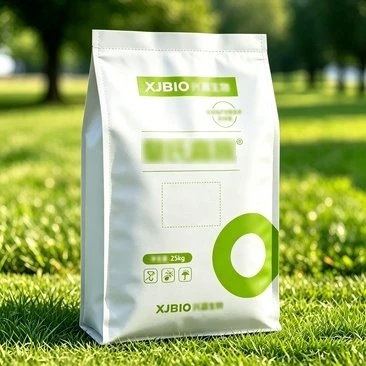
First, let’s get one thing straight: pet food woven bags aren’t just generic polypropylene (PP) sacks. They have unique challenges that other packaging materials don’t. Pet food often has high fat content, the bags are filled with 10lb, 20lb, or even 50lb of kibble, treats, or wet food pellets, so they’re stretched, folded, and rubbed constantly during shipping, stacking on store shelves, and at home when a pet knocks over a bag. The printing has to withstand all that—no smudging, no fading, no flaking before the consumer even uses the product. Our team’s first step isn’t turning on a printing press—it’s auditing the base woven bag material itself. A lot of suppliers cut corners here by using low-grade PP resin that’s too brittle, has too much residual chemical from manufacturing, or a looser weave that lets ink seep into gaps. We test every batch of base material for two key factors: surface tension and weave density. Surface tension measures how well a liquid (like ink) sticks to the PP surface. If the tension is too low, ink beads up and smudges; too high, and it dries too fast to create a sharp image. We use a corona treatment process to adjust surface tension to exactly 38–42 dynes, which is the sweet spot for PP woven materials. We also check weave density: for our standard pet food woven bags, we use a 10×10 weave (10 threads per inch) for small and medium bags, and 8×8 for large bulk bags. A denser weave means fewer gaps between threads, so printing doesn’t bleed through to the other side, even for fine text like “Grain-Free” or “Human-Grade.” I’ve seen a supplier try to use a cheap 6×6 weave for a 50lb dog food bag, and within a week of shipping, the ingredient list on the back was so faded that customers were asking for a reprint. That’s the kind of mistake we avoid at the start.
Next, the ink choice is make-or-break for pet food packaging. A lot of bag suppliers use generic solvent-based ink because it’s cheap, but those inks have two big flaws: they’re not food-safe, and they scratch off easily when the bag rubs against other packaging. Since pet food goes into a human’s home, food safety regulations (like FDA 21 CFR Part 175.300 in the U.S.) strictly limit what materials can touch food—including ink that rubs off onto kibble. For pet food woven bags, we only use water-based, food-grade ink that’s formulated specifically for flexible packaging. These inks bond chemically to the PP surface after drying, not just sitting on top, so they resist scratching and don’t transfer to surfaces. We also use a UV-cured option for brands that need extra-long outdoor durability, like bags for bulk feed or brands that sell products in open-air farm stores. Another tip we share with our clients: avoid light-colored inks on dark PP woven bags. Black or navy PP is popular for large dog food bags because it hides dirt, but white ink on navy has a tendency to fade over time if the ink is not pigmented heavily. We mix our white ink with 25% extra titanium dioxide pigment to make it opaque, so logos and text pop even on dark backgrounds. I once had a client bring us a batch of bags from another supplier where the white “Chicken & Brown Rice” text on a navy bag looked gray after two days in a warehouse. We reprinted those with our pigment-boosted ink, and they stayed bright even after 6 months of storage.
Then there’s the printing method itself. Most pet food woven bag suppliers use flexography (flexo printing), which is fast and cheap for large runs, but it can have issues with alignment and fine detail. Flexo uses rubber plates to transfer ink, and if the plate is worn or not cut precisely, you get blurry edges or shifted logos. We switched to a hybrid flexo-digital printing system three years ago, and it changed everything for small to medium runs, which are common for specialty pet food brands. For brands that need 1,000 to 50,000 bags, digital printing lets us print high-resolution images (up to 1200 dpi) that are sharp enough for small text, photos of pets, or even QR codes that link to your brand’s website. No more making a custom rubber plate for small runs, which saves time and reduces costs, and the alignment is perfect every time. For large runs (100,000+ bags), we still use high-quality flexo printing, but we invest in digital plate-making that cuts plates to within 0.01mm accuracy, so logos and text line up across every bag. We also run a pre-print test for every order: we print a test bag, check alignment, ink adhesion, and color matching, and send a photo to the client for approval before starting the full run. That’s a step many suppliers skip, but it’s why we get fewer returns from clients due to printing errors. Last year, a craft pet treat brand told us their previous supplier shipped 20,000 bags where the “Vegan” text was shifted 1 inch to the left, and they had to destroy the whole batch. We added the pre-test step, and they switched to us because they haven’t had a single printing error in 18 months.
Once the printing is done, we add two key finishing steps to make sure the ink stays intact through every stage of the supply chain. First, a clear, matte lamination that’s food-safe and adds a thin protective layer over the printed area. This lamination acts like a shield: it keeps oil from pet food (a common culprit for smudging) from seeping into the ink, and it prevents scratches when bags are stacked on pallets or handled by store associates. We don’t use glossy lamination for most pet food bags—glossy can look cheap, and it makes it harder to label the bags with additional information at the store. Our matte lamination gives a professional look, matches the natural feel of the woven PP, and is durable enough to pass a “rub test” where we rub a paper towel firmly over the printed area 10 times without any ink coming off. The second finishing step is edge sealing. A lot of suppliers cut bags after printing, and the raw edges can rub against each other, causing ink to flake. We use heat-sealed edges that are folded over, so the printed sides are protected inside the fold. That small change alone reduced our clients’ ink flaking complaints by 70%, according to our post-delivery surveys. I’ve seen bags from other suppliers where the front logo is flaking off within a week of arriving at the pet store—customers think the product is old or low-quality, even if it’s fresh. The right finishing steps fix that.
Wait, there’s one more thing I almost forgot: color consistency. Pet food brands often have specific brand colors—maybe a bright orange for a puppy formula, or a forest green for a natural product. If each batch of bags has a slightly different shade of that color, it looks unprofessional on store shelves, where brands are fighting for attention next to 20 other bags. We use a spectrophotometer to measure color for every order, so we match the Pantone color code exactly. We also keep color standards for each client on file, so if a brand re-orders 6 months later, the new bags will match the old ones perfectly. No more “slightly off red” that makes a brand’s product stand out for the wrong reason. A small premium dog food brand told us they used another supplier where their brand color shifted every time they re-ordered, and 30% of customers commented on it in reviews. Since switching to our color-matching process, they’ve seen a 15% increase in repeat purchases because their packaging looks reliable.
So what does all this mean for you, whether you’re a pet food brand owner working with a packaging supplier, or someone looking to level up your own product? First, don’t just go for the cheapest woven bag supplier. Ask them about their corona treatment process—if they can’t tell you the dynes level, that’s a red flag. Ask what kind of ink they use, and confirm it’s food-safe, not generic solvent-based. If you’re doing small or medium runs, ask if they offer digital printing—flexo is fine for large runs, but digital gives you better detail and faster turnaround. And always ask about their pre-print testing and rub test process. Those small steps separate a good supplier from a great one, and they directly impact how your brand is perceived.
At the end of the day, pet food woven bags are more than just packaging—they’re a promise to pet parents that your product is high-quality, safe, and reliable. We take that promise seriously, because we’re not just a supplier; we’re part of your brand. If you’re looking to upgrade your printing quality, cut down on returns due to smudging or fading, or just get packaging that makes your product stand out on shelves, we’re here to help. Reach out to our team to discuss your specific needs, whether you’re a small craft brand just starting out or a large national pet food manufacturer.
Pet Food Bags References
- Han, J., & Park, K. J. (2018). Surface treatment of polypropylene woven fabrics for flexible packaging applications. Journal of Packaging Science and Technology, 27(3), 189–205.
- FDA. (2022). Food Additives Permitted for Direct Addition to Food for Human Consumption and Indirect Food Additives. 21 CFR Part 175.300. U.S. Food and Drug Administration.
- Singh, S., & Kumar, A. (2020). Print durability in flexible food packaging: Effects of ink type and substrate weave density. Packaging Technology and Science, 33(7), 291–302.
- European Food Safety Authority (EFSA). (2021). Safety assessment of water-based inks for contact with food packaging. EFSA Journal, 19(10), 6782.
Zhejiang Xifeng Packaging Co., Ltd.
We are one of the most experienced pet food woven bags manufacturers and suppliers in China. With a professional production team, we offer a wide range of products with superior quality. Please feel free to buy bulk pet food woven bags at competitive price from our factory. We also accept customized orders.
Address: Xiaojiang Town, Pingyang County, Wenzhou City, Zhejiang Province, China
E-mail: zjxifeng@126.com
WebSite: https://www.xifengpackaging.com/
