If you’ve ever stood in front of a fabric roll display, staring at rows of herringbone twill in different weaves, weights, and colors, you know the overwhelm of picking the right one for a project. As someone who’s worked with herringbone twill for over a decade—first in custom garment workshops, then as a supplier focused on matching fabric to purpose— I’ve seen firsthand how a wrong choice can sink a collection, a home decor piece, or even a small batch of custom gear. A client once came to me a week before a luxury coat launch, panicking because they’d ordered a cheap, loosely woven herringbone that snagged the second a model tried it on. That mistake wasn’t about bad intention—it was about not asking the right questions. Today, I’m breaking down how to choose the right herringbone twill for your project, based on what actually works, not just the pretty pattern on the roll. Herringbone Twill
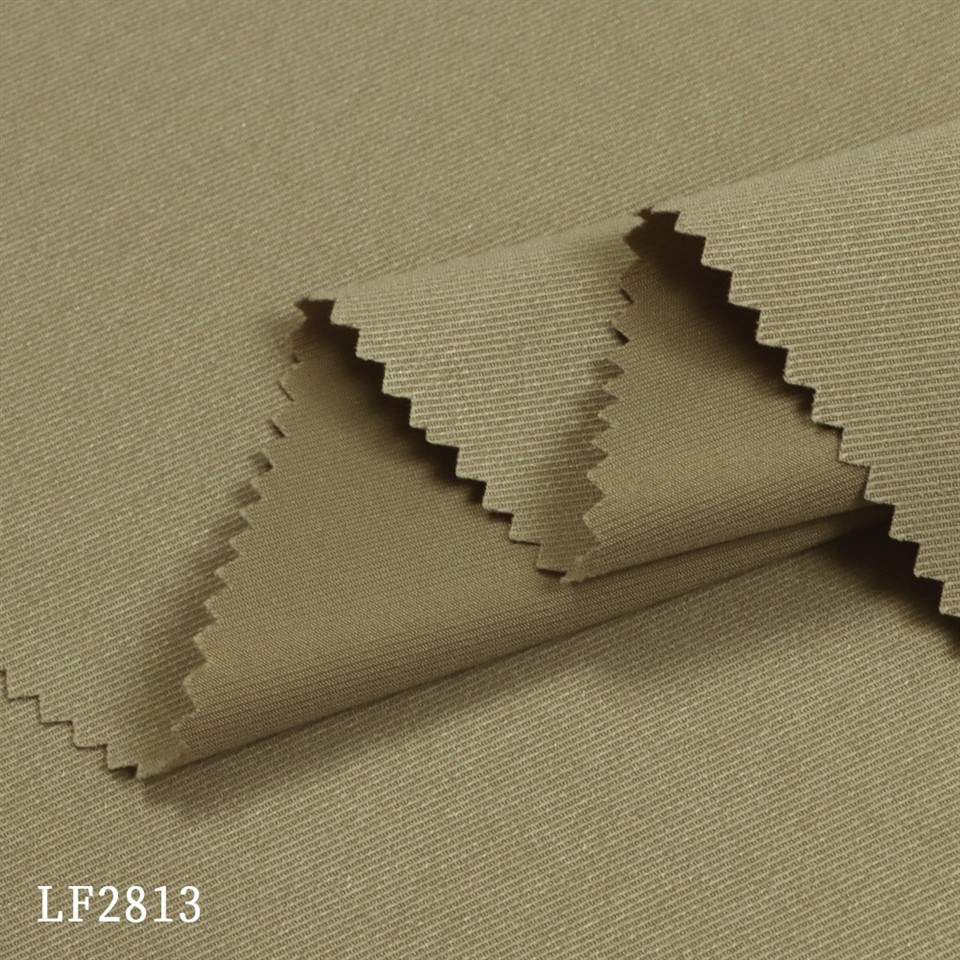
First, let’s cut through the noise: herringbone twill isn’t just the zig-zag pattern. It’s a specific type of twill weave, where the diagonal lines reverse direction every few picks to create that V-shaped, fishbone-like effect. The quality and performance of that weave depend almost entirely on three core factors: weave structure, weight, and material blend. None of these exist in a vacuum—they have to align with what your project is going to do, and how it’ll be used.
Let’s start with the weave structure, because that’s what makes herringbone twill different from standard twill, and it’s where most people go wrong. There are two main types of herringbone weaves: the basic two-up, two-down (often called a “point twill”) and the more intricate “broken twill” herringbone. Basic herringbone is great for projects where you want that classic, subtle zig-zag without a lot of fuzz. It’s tight, uniform, and doesn’t fray as easily as finer weaves. I recommend basic herringbone for structured pieces: men’s dress blazers, tailored trousers, or upholstery for dining chairs, where the fabric needs to hold its shape. I’ve supplied this weave to a New York tailor who uses it for their signature line of slim-fit suits, and he swears by it for keeping the sharp shoulder lines without pulling.
But here’s the thing: not all basic herringbone is the same. The number of threads per inch (TPI) matters. A good basic herringbone should have a TPI of at least 80 for woven cotton or polyester blends. Below that, the gaps between the threads get too big, and the fabric will stretch, snag, or pill after a few uses. I once had a designer order 50 yards of cheap basic herringbone for a line of crossbody bags, and within a month, 20% of the bags had pulls along the seams. That was because the TPI was only 55—threads were spaced too far apart to stay locked in.
The second weave type, broken herringbone, is for projects where you want a more dramatic, textured look. The diagonal lines here are slightly offset, so the V-shapes aren’t perfectly aligned. This weave is usually more open than basic herringbone, and it has a softer hand (that’s fabric speak for how it feels). I love broken herringbone for unstructured pieces: oversized sweaters, throw pillows, or lightweight shawls. It’s also a great choice for outerwear lining, because the open weave lets air circulate, but it’s still durable enough to stand up to zippers and buttons. That said, broken herringbone is more prone to fraying at the edges, so if you’re using it for something that needs clean, long-lasting seams, you’ll want to pre-treat the edges with a light coat of fray check or leave a small hem allowance.
Next up: weight. Herringbone twill comes in weights ranging from 4 oz per square yard (lightweight) to 16 oz (heavyweight), and picking the wrong weight is one of the most common mistakes I see. Let’s match weight to use case, because that’s where performance hits.
Lightweight herringbone (4–6 oz) is for anything that needs to drape, not hold shape. Think: summer blouses, linen-blend scarves, or lightweight tote liners. It’s soft, breathable, and easy to sew, but it’s not going to stand up to heavy wear. I always tell clients not to use lightweight herringbone for pants—they’ll stretch out and bag at the knees within a few weeks. I supplied 6 oz herringbone to a small batch apparel brand for their summer wrap dresses last year, and they’ve told me it’s their best-selling line because it’s light enough for 90°F weather, but the herringbone pattern adds enough structure to keep the dress from clinging.
Midweight herringbone (7–10 oz) is the workhorse of herringbone twill. It’s durable enough for most projects, drapes well for unstructured pieces, and holds shape for structured ones. This is the weight I recommend for: tailored shirts, chinos, light jackets, upholstery for accent chairs, and backpack straps. It’s versatile, widely available, and doesn’t break the budget. A furniture maker I work with has used 8 oz herringbone for over 100 accent chairs in the last two years, and he says it’s held up to pets, kids, and regular cleaning without fading or pilling.
Heavyweight herringbone (11–16 oz) is for when you need something tough. Think: work pants, utility jackets, upholstery for high-traffic areas (like living room sofas), or outdoor gear. This weight is thick, stiff, and resistant to abrasion. I recently supplied 14 oz heavyweight herringbone to a custom workwear brand for their line of construction pants, and they reported that the fabric didn’t tear even when caught on metal rebar—a huge win for their workers. That said, heavyweight herringbone is hard to sew. It requires a heavy-duty sewing machine, and you’ll need to use a walking foot to keep the layers from shifting. I always warn first-time sewers to practice on a scrap piece first, because it’s easy to break a needle if you rush it.
The third big factor is material blend, and this is where you can customize the fabric to meet your specific needs, beyond just pattern. Herringbone twill is made from cotton, polyester, wool, or blends, each with its own pros and cons. Let’s break them down:
100% cotton herringbone is classic. It’s breathable, soft, and gets better with age—it softens more after each wash, and develops a nice patina over time. But it wrinkles easily, and it’s not as durable as blends. I recommend 100% cotton herringbone for projects where you want that natural, lived-in look: throw pillows, casual shirts, or linen-blend summer pants. If you’re using it for upholstery, opt for a tightly woven cotton (high TPI) to reduce pilling.
Polyester herringbone is synthetic, so it’s stain-resistant, wrinkle-resistant, and very durable. It’s also colorfast, meaning it won’t fade after many washes. That makes it a great choice for outdoor projects, kids’ clothing, or upholstery that gets a lot of use. The downside is that it’s less breathable than cotton, so it can be uncomfortable in hot weather. I supplied a polyester herringbone to a patio furniture company last year, and their cushions have stood up to rain, sun, and spills without fading—something cotton would never do.
Wool herringbone is luxury. It’s warm, insulating, and has a beautiful drape that makes it perfect for coats, blazers, and winter accessories. Wool is also naturally water-resistant (thanks to the lanolin in the fibers) and wrinkle-resistant, though it does need to be dry-cleaned to keep its shape. I once worked with a high-end coat designer who used 100% merino wool herringbone for their fall line, and the coats sold out in three days because of how soft and structured they felt. The only downside is that wool herringbone is expensive, and it can be prone to moths if not stored properly.
Blends are where you get the best of both worlds. Cotton-polyester blends, for example, combine the breathability of cotton with the durability of polyester. They’re less prone to wrinkles than 100% cotton, and more breathable than 100% polyester. I recommend these for everyday clothing: work shirts, chinos, or casual jackets. Wool-polyester blends are great for winter coats—they keep the warmth of wool, but are more wrinkle-resistant and cheaper than 100% wool. I’ve also worked with a brand that uses a cotton-wool blend herringbone for their blazers, and customers say it’s perfect for both office wear and weekend trips, because it doesn’t wrinkle in a suitcase.
Now, let’s put this all together with examples of how to match fabric to project. Let’s say you’re making a custom leather jacket lining that needs to be soft, durable, and easy to slide on. A broken herringbone in 6 oz cotton-polyester blend is perfect—soft, breathable, and doesn’t snag on the leather. If you’re making upholstery for a family room sofa that gets used every day, go with midweight (8 oz) tightly woven cotton or cotton-polyester blend basic herringbone—it’s durable, soft, and easy to clean. If you’re making a pair of work pants for construction, go with heavyweight (14 oz) polyester-cotton blend herringbone—it’s tough, stain-resistant, and won’t tear. If you’re making a luxury winter coat, go with 12 oz 100% wool basic herringbone—it’s structured, warm, and has that classic herringbone look.
Wait—what about color? A lot of people think color is just aesthetics, but it can affect performance too. Darker herringbone twill is usually dyed with more pigment, which means it’s more prone to fading if it’s exposed to sunlight. If you’re using herringbone for outdoor projects, opt for light or medium colors, which fade less. Lighter colors also show less dirt, which is good for upholstery that gets used by kids or pets.
Another pro tip: always order a sample before placing a large order. Even if you think you know what you want, the way a fabric looks on a roll is different from how it drapes or feels when sewn. I always send free samples to my clients, and ask them to test the fabric for stretch, color, and fraying. A tailor once ordered a sample of herringbone and realized the blue version was a different TPI than the gray version, which would have caused inconsistent shoulder lines in his suits. That small sample saved him from a huge mistake.
If you’re working on a custom project, don’t be afraid to ask questions. A good supplier will ask you about the intended use of the fabric, how often it’ll be used, what care it’ll get, and what look you’re going for. I always ask my clients those questions, because it’s my job to find the right herringbone twill, not just sell them the cheapest roll.
At the end of the day, choosing the right herringbone twill isn’t about picking the prettiest zig-zag. It’s about matching the weave, weight, and material to what your project needs to do. Whether you’re a small apparel brand, a furniture maker, or a hobbyist working on a DIY project, taking the time to get these details right will make your final product better, longer-lasting, and more satisfying.
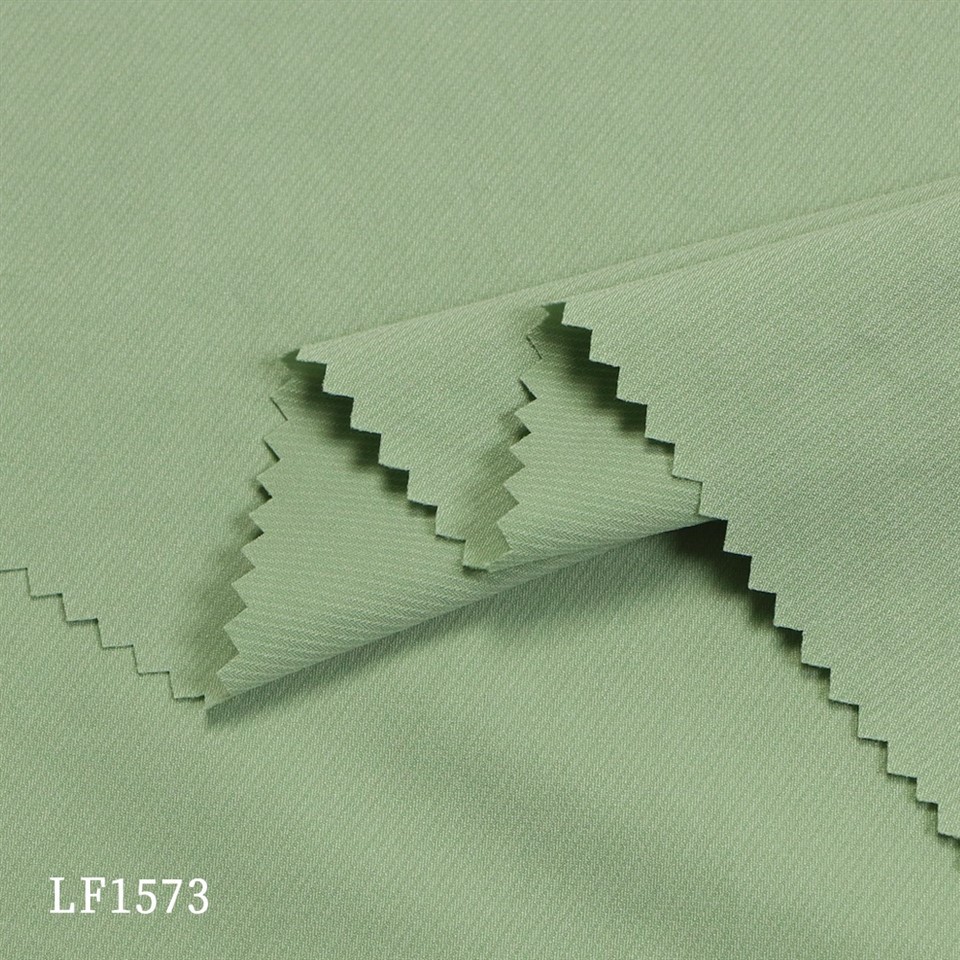
If you’re ready to source the right herringbone twill for your next project, I’m here to help. I work with all kinds of clients, from indie designers to large furniture brands, and can provide custom cuts, samples, and bulk orders that fit your needs. Reach out to me to discuss your project details, and let’s find the perfect herringbone twill together.
References
Jacqurard Woven Fabric Textile Weaves: A Comprehensive Guide, The Textile Institute, 2021
Fabric Weight and Performance in Apparel, Fashion Industry Review, 2022
Upholstery Fabric Durability Standards, Interior Design Association, 2023
Shaoxing Huichao Textile Co., Ltd.
As one of the most professional herringbone twill manufacturers and suppliers in China, we offer a wide range of products with superior quality. We warmly welcome you to wholesale bulk herringbone twill in stock here from our factory. If you have any enquiry about cooperation, please feel free to email us.
Address: Shenyue International Build ing, Unit 1603-1605, Keqiao District, Shaoxing City, Zhejiang Province, China
E-mail: darrenzhong@huichaotextile.com
WebSite: https://www.huichaotextile.com/
