Hey there! I’m a supplier of ion exchange equipment, and I often get asked about the maintenance costs of this gear. So, I thought I’d sit down and write a blog post to share some insights on what you can expect when it comes to keeping your ion exchange equipment in tip – top shape. Ion Exchange Equipment
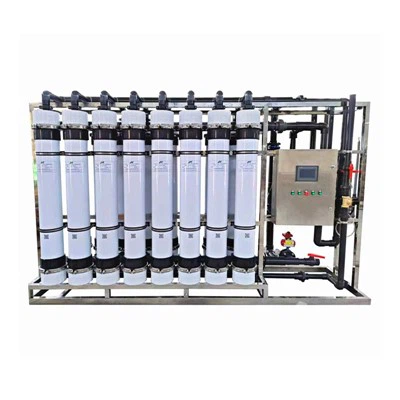
First off, let’s talk about the basics. Ion exchange equipment is used in a whole bunch of industries, from water treatment to pharmaceuticals. It works by swapping ions in a solution to achieve a specific result, like removing impurities or adjusting the pH level. But like any piece of machinery, it needs regular maintenance to work effectively and last a long time.
Resin Replacement
One of the biggest maintenance costs for ion exchange equipment is resin replacement. The resin is the heart of the system, as it’s what actually does the ion – swapping. Over time, the resin can get fouled or exhausted. Fouling happens when particles or chemicals in the water stick to the resin beads, reducing their effectiveness. Exhaustion occurs when the resin has used up all its available ions for exchange.
How often you need to replace the resin depends on a few factors, like the quality of the water or solution you’re treating, the flow rate, and the capacity of the system. In some cases, you might need to replace the resin every few months, while in others, it could last a couple of years. The cost of resin can vary widely, anywhere from a few hundred to a few thousand dollars per cubic foot, depending on the type and quality. For example, high – purity resin for pharmaceutical applications is going to be more expensive than resin for general water softening.
Cleaning and Chemicals
Another significant cost is the cleaning and chemicals required to keep the ion exchange equipment clean. You need to clean the resin bed regularly to remove any fouling agents. This might involve backwashing the system, which means reversing the flow of water through the resin bed to dislodge and flush out particles. You might also need to use chemical cleaners to remove more stubborn contaminants.
There are different types of chemicals used for cleaning ion exchange resin. Acidic solutions are often used to remove metal contaminants, while basic solutions can help with organic fouling. The cost of these chemicals depends on the type and quantity you need. Additionally, you need to handle these chemicals safely, which might involve investing in proper storage and safety equipment.
Equipment Inspection and Repair
Regular inspections of the ion exchange equipment are crucial. You need to check for any signs of wear and tear, leaks, or malfunctions. Seals, valves, and pumps are common components that can fail over time. If you notice any issues during an inspection, you’ll need to get the equipment repaired promptly to avoid more serious problems down the line.
The cost of inspection can vary. You can do some basic inspections yourself if you’re familiar with the equipment, but for more in – depth checks, you might need to hire a professional technician. As for repairs, the cost depends on the part that needs fixing and the complexity of the repair. Replacing a simple valve can be relatively inexpensive, but if you have a major issue with the pump or the control system, it can be quite costly.
Energy Costs
Let’s not forget about energy costs. Ion exchange equipment often requires pumps to move the water or solution through the system, and these pumps use electricity. The energy consumption depends on the size of the pump, the flow rate, and the operating hours. To reduce energy costs, you can invest in energy – efficient pumps and optimize the operating parameters of the system. However, you still need to factor in the initial cost of upgrading the pumps and the potential maintenance costs associated with more advanced equipment.
Labor Costs
Labor is also a significant part of the maintenance equation. If you have in – house staff to handle the maintenance, you need to account for their salaries and training costs. If you outsource the maintenance to a third – party service provider, you’ll pay for their services. A trained technician can ensure that the equipment is maintained correctly and that any issues are addressed quickly, but this expertise comes at a price.
Reducing Maintenance Costs
Now, the good news is that there are ways to reduce the maintenance costs of ion exchange equipment. First, proper pretreatment of the water or solution can go a long way. By removing as many contaminants as possible before the water enters the ion exchange system, you can reduce the fouling rate of the resin and extend its lifespan.
Secondly, regular monitoring of the system can help you catch problems early. You can use sensors to measure parameters like pH, conductivity, and flow rate. By analyzing this data, you can detect any changes in the system’s performance and take corrective action before it becomes a major issue.
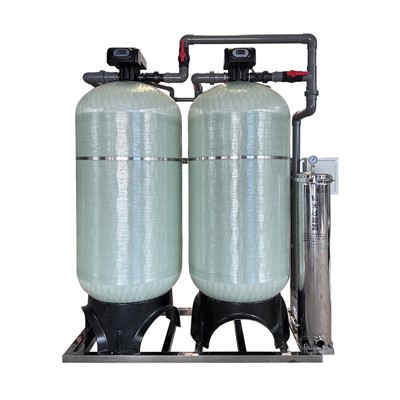
Finally, investing in high – quality equipment from the start can save you money in the long run. Good – quality ion exchange equipment is often more durable and requires less frequent maintenance. It might cost more upfront, but it can pay off in reduced maintenance and repair costs over time.
SWRO & BWRO Equipment So, there you have it! The maintenance costs of ion exchange equipment can be substantial, but with proper planning and management, you can keep them under control. If you’re in the market for ion exchange equipment or want to learn more about reducing maintenance costs, I’d love to talk to you. Feel free to reach out to me to start a conversation about your specific needs and how we can help you get the most out of your ion exchange system at a reasonable cost.
References
- "Ion Exchange Technology Handbook"
- Industry reports on ion exchange equipment maintenance and costs
- Manufacturer’s manuals for different types of ion exchange equipment
Shandong Yanuo Environmental Protection Equipment Co., Ltd.
We’re well-known as one of the leading ion exchange equipment manufacturers and suppliers in China, featured by quality products and good price. Please rest assured to buy bulk ion exchange equipment made in China here from our factory. Customized orders are welcome.
Address: North Side of the Road, 1,000 Meters West of the Intersection of Fenghuangshan West Road and Provincial Highway S102, Wangfu Subdistrict, Qingzhou City, Weifang City, Shandong Province.
E-mail: ynhb.499973983@gmail.com
WebSite: https://www.zkyaruo.com/
